
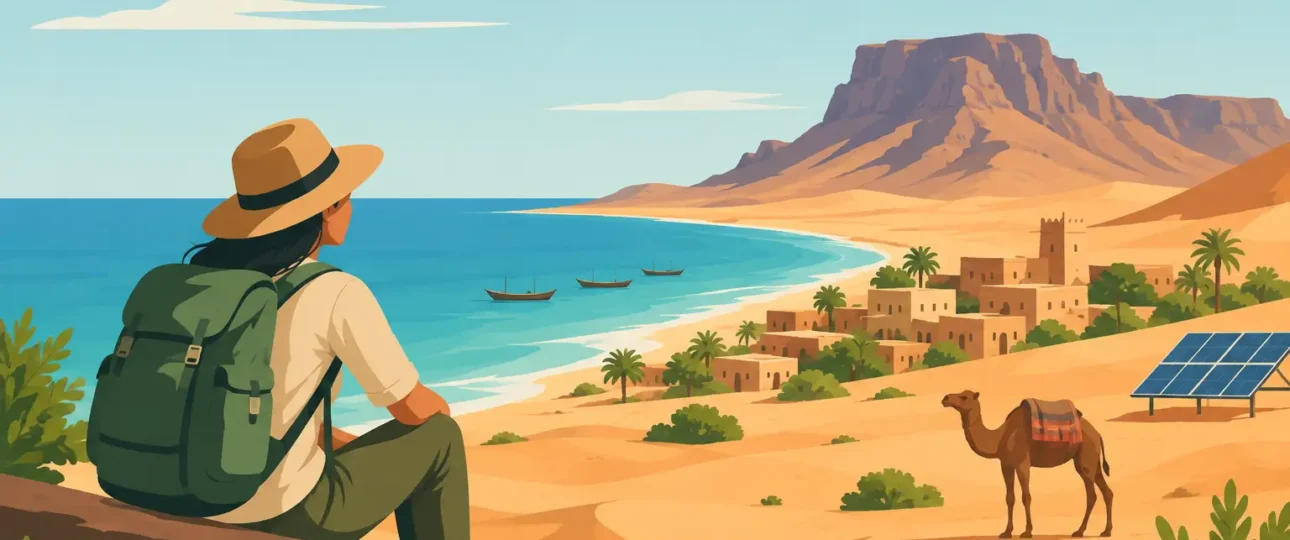
Eco Friendly Mauritania Travel, Done Right
The silence on the Adrar plateau, the rhythm of the Iron Ore Train, and the first light over a desert camp are experiences worth protecting. Eco friendly Mauritania travel is not about pretending a remote desert expedition has no impact. It is about making thoughtful choices: traveling with purpose, reducing avoidable waste, respecting communities and wildlife, and choosing local support that understands the terrain.
Mauritania rewards travelers who slow down. Its distances are vast, water is precious, and many of its most memorable places – from Chinguetti and Ouadane to Banc d’Arguin National Park – are environmentally and culturally sensitive. A well-planned guided journey can make the adventure more comfortable while helping you travel with greater care.
What Eco Friendly Mauritania Travel Really Means
Sustainable travel in Mauritania begins with honesty. Reaching the country requires a flight for most international visitors, and moving through the Sahara often requires a capable 4×4. These realities are part of traveling in a large, sparsely populated country with limited public transportation between major highlights.
The practical goal is to reduce unnecessary impact rather than make unrealistic promises. Stay longer instead of flying in for a rushed weekend. Combine destinations into one carefully organized route rather than arranging multiple separate transfers. Travel in a small group when possible, and choose an itinerary that uses experienced local drivers who know how to follow established tracks instead of creating new ones across fragile desert ground.
Your spending matters, too. Locally owned guesthouses, desert camps, guides, drivers, cooks, and craftspeople all help ensure tourism brings direct value to the people who live along these routes. The most responsible trip is not only lighter on resources. It is also more respectful of the people making your journey possible.
Plan a Lower-Impact Route Through Mauritania
Mauritania is not a destination to rush. Nouakchott, the Adrar region, historic caravan towns, desert camps, and the coast can be connected into meaningful multi-day journeys, but the roads and off-road sections require time. Building in slower travel days reduces pressure on drivers, avoids unnecessary backtracking, and gives you a better chance to understand each place rather than simply photograph it.
A structured itinerary is especially useful in remote areas. When transport, permits, accommodation, meals, and camp arrangements are coordinated in advance, there is less chance of duplicate vehicle movements, last-minute supply runs, or unsuitable camping in sensitive areas. Tours in Mauritania can handle these details on the ground, allowing travelers to focus on the journey while following a route designed for safety, comfort, and local conditions.
The Iron Ore Train is a powerful example of a trip where preparation matters. It is an extraordinary experience, but it is not a casual excursion. Bring only what you need, protect your equipment from dust, carry reusable water containers, and follow your guide’s safety instructions closely. Respecting the working train and the people who rely on it is part of traveling responsibly.
Travel With Fewer Vehicle Miles
A private 4×4 offers flexibility, particularly for photographers, families, and travelers with a specific route in mind. However, sharing a vehicle can reduce the impact per traveler and is often a more social way to experience a long desert crossing. The best option depends on your group size, comfort needs, luggage, and photography schedule.
If you are traveling privately, make the route count. Choose an itinerary with several nights in the same region rather than driving long distances each day only to retrace the route later. A night under the stars near the dunes, followed by time in Chinguetti or Ouadane, usually creates a richer experience than a constant sequence of arrivals and departures.
Treat Water and Waste as Serious Travel Concerns
Water shapes daily life in the Sahara. Desert camps and remote villages cannot offer the unlimited supply travelers may expect from large hotels. Short showers, turning off taps fully, and reusing towels are small actions, but they are meaningful where every container of water must be transported or carefully managed.
Single-use plastic is another practical concern. Before leaving Nouakchott or Atar, ask your guide about drinking water arrangements and carry a durable refillable bottle. In very remote areas, bottled water may still be the safest available option. When that is the case, do not treat the bottle as disposable simply because it is convenient. Keep empty bottles in your vehicle or bag until they can be disposed of appropriately.
For desert days, bring a small personal waste bag for snack wrappers, tissues, and other lightweight trash. Never leave waste behind a dune, beside a campfire, or at a scenic stop. The desert may appear endless, but litter remains visible for years and can harm animals.
A few well-chosen items make a noticeable difference:
- A refillable water bottle and insulated cup
- A reusable tote or dry bag for personal waste
- A headlamp with rechargeable batteries
- Reef-safe sunscreen and biodegradable toiletries, used sparingly
- A scarf or buff that reduces the need for disposable dust masks
Respect Caravan Towns and Living Traditions
Chinguetti and Ouadane are more than dramatic stops on a Sahara itinerary. They are historic communities with living traditions, family homes, mosques, libraries, markets, and daily routines that deserve patience and courtesy.
Ask before photographing people, especially elders, women, children, and anyone working in a market or home. A friendly conversation through your guide can lead to a better portrait and a more genuine exchange than taking a picture from a distance. In sacred or private spaces, follow local guidance on dress, footwear, and photography without debate.
Buying directly from local artisans can be a meaningful part of the trip, provided you buy thoughtfully. Choose an item you value, understand its origin when possible, and avoid bargaining so aggressively that the exchange becomes disrespectful. Your guide can help you distinguish locally made crafts from mass-produced souvenirs.
Protect Wildlife and Coastal Habitats
Banc d’Arguin National Park is one of Mauritania’s most important natural areas, known for its migratory birds, marine life, coastal dunes, and Imraguen fishing communities. It is a place to observe carefully, not to conquer.
Keep a respectful distance from birds and other wildlife, even when a close image would be tempting. Avoid loud music, drone use without permission, and sudden movements around nesting or feeding areas. Stay with authorized local boat operators and guides, who understand seasonal conditions and where visitors can go without disturbing sensitive habitats.
Seafood choices can also depend on location and season. In coastal communities, ask what is locally and responsibly sourced rather than assuming every catch is suitable. A responsible guide or host can advise on what is available and appropriate during your visit.
Choose Comfort That Supports Responsible Travel
Eco-conscious travel does not require giving up basic comfort or safety. In Mauritania, clean guesthouses, secure camps, reliable vehicles, and knowledgeable guides are not luxuries. They are the foundation of a trip that avoids unnecessary risk and waste.
A good local operator should be clear about what is included, how drinking water and meals are arranged, where you will sleep, and what support is available if plans change. This clarity prevents travelers from overpacking, buying unsuitable supplies, or making rushed decisions in remote places. It also helps camps and guesthouses prepare accurately for the guests they are receiving.
Ask practical questions before booking: Will the route use shared transport where appropriate? Are camps set up and removed without leaving traces? Is the team experienced in national park rules and local customs? How are meals sourced in remote areas? The answers reveal far more than a generic sustainability claim.
Traveling responsibly in Mauritania is ultimately an act of attention. Carry less, stay longer, listen to your local team, and leave each camp, village, and shoreline as welcoming for the next traveler as it was for you.