9 Best Iron Ore Train Tips for Mauritania
You feel the scale of the journey before the train even moves. The air is dry, the light is sharp, and around you stretches one of Mauritania’s most legendary travel experiences – long, raw, and unforgettable. If you are searching for the best iron ore train tips, the real goal is not just getting on the train. It is making the journey safer, more comfortable, and far more rewarding once the desert night sets in.
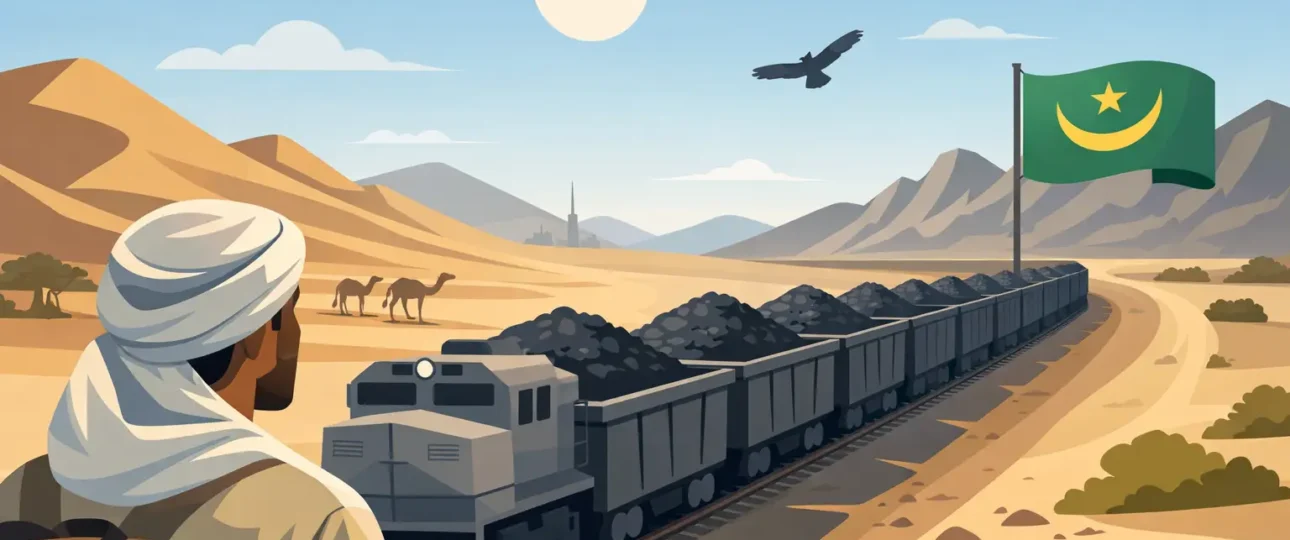
The Mauritanian Iron Ore Train is not a polished tourist attraction. It is a working freight train built to haul iron ore across the Sahara. That is exactly why people come. It offers a rare kind of travel experience – exposed to the elements, stripped of distractions, and tied closely to the landscape and daily life of the country. But that same authenticity means planning matters.
What makes this journey different
The first thing to understand is that this is not a standard rail trip with fixed comfort levels and predictable routines. Conditions can change with weather, timing, crowds, and where you board. Some travelers want the classic open-wagon ride on top of the ore, while others prefer the passenger carriage for a less extreme experience. Neither choice is wrong. It depends on your tolerance for dust, cold, noise, and physical discomfort.
That trade-off is where many expectations need adjusting. The open wagons deliver the iconic adventure and the vast desert views, but they also mean iron dust on your clothes, wind in your face, and a rougher ride than many visitors imagine. The passenger car is easier physically, though it can still be basic and crowded. If your main priority is the story and the spectacle, the ore wagon may feel worth every inconvenience. If you want to experience the route without pushing your limits, the passenger option is often the better fit.
Best iron ore train tips before you go
Good preparation changes this trip more than gear alone. The smartest travelers start by accepting that timing is rarely exact. Departure schedules can shift, waiting times can be long, and station logistics are not always straightforward. Build flexibility into your itinerary so the train does not become a stressful race against the clock.
It also helps to think seriously about the season. Desert heat can be punishing during the day, while nights can turn surprisingly cold, especially when you are exposed in an open wagon. Many travelers focus only on the daytime desert image and forget that wind and temperature drop are part of the reality. A trip that feels adventurous in one season can feel unnecessarily harsh in another.
Physical readiness matters too. You do not need to be an athlete, but you should be comfortable with basic, rugged travel. Climbing aboard, balancing luggage, sitting for many hours, and managing dust and fatigue are all part of the experience. If you have back issues, respiratory sensitivity, or trouble with long periods of exposure, it is worth considering whether the open wagon is right for you.
Pack for dust, cold, and a long wait
Packing well is one of the most practical iron ore train tips because the environment is unforgiving. Dust gets everywhere. It will settle on your skin, inside your bag, and into any item left exposed. A scarf or face covering is not optional for most travelers. Neither are protective glasses if you are riding in the ore wagon.
Your clothing should work in layers. During the day you may need sun protection and breathable fabric, but once the light fades, warmth becomes just as important. A warm jacket, gloves in cooler months, and something soft to sit or lie on can make a huge difference. Many first-time travelers underestimate how much comfort comes down to one simple barrier between them and cold metal or coarse ore.
A small but important detail is how you pack your belongings. Use bags that can close tightly. Keep electronics protected from dust. Carry water where you can reach it easily, not buried at the bottom of your luggage. A headlamp is also useful because boarding areas, wagons, and arrival points may have limited lighting.
Food, water, and energy are your responsibility
This journey is easier when you plan as if there will be no convenient services when you need them. Bring more water than you think is necessary, especially if you are riding exposed for long hours. Dry air and wind can dehydrate you faster than expected, even when temperatures feel manageable.
Food should be simple, durable, and easy to eat without much setup. Think in terms of snacks that travel well and do not create a mess in dusty conditions. The train is not the place for anything delicate, heavy, or dependent on refrigeration.
It is also worth managing your energy before departure. Rest when you can, eat beforehand, and avoid treating the whole experience like a test of endurance from the first hour. Travelers who pace themselves tend to enjoy the journey more than those who arrive already tired and underprepared.
Safety on the train is mostly about judgment
The best iron ore train tips are not about removing all risk. They are about reducing avoidable problems. The environment is industrial, not curated. That means you need to pay attention to footing, boarding assistance, and where you place yourself and your gear.
Stay aware when climbing on and off the train. Do not rush, especially in low light. Keep your essentials close and avoid loose items that can shift during movement. If you are in an open wagon, settle into a stable position early rather than moving around unnecessarily once the train is underway.
There is also a social side to safety. Traveling with local guidance or organized support can make a major difference, especially if it is your first time in Mauritania or your first long freight-train journey. Knowing where to wait, how to board, what to expect at arrival, and how ground transport connects on either end turns a complicated experience into a manageable one. This is one reason many travelers choose to arrange the train as part of a guided itinerary with a local operator such as Tours in Mauritania.
Choose the experience that suits you
A lot of travelers feel pressure to take the most extreme version of the train ride because it looks more authentic. That is not always the smartest choice. Authentic travel is not about discomfort for its own sake. It is about meaningful access to a place, handled with honesty and respect.
If you are a photographer, filmmaker, or experienced adventure traveler, the open ore wagon may be exactly what you want. It offers striking visuals, strong atmosphere, and a deeper sense of the train’s scale. But if you are newer to remote travel, traveling with limited time, or simply want a more controlled experience, the passenger carriage may let you appreciate the route without spending the next day recovering.
There is no prize for choosing the harder option if it keeps you from enjoying the destination that follows.
Expect delays and let the journey be the story
One of the most useful mindset shifts is to stop expecting the train to behave like a tightly scheduled tourism product. Waiting is often part of the experience. Plans may move later than expected. Connections may require patience. In Mauritania, the reward often comes to travelers who leave room for reality rather than fighting it.
That does not mean accepting confusion. It means planning responsibly. Have your onward transport arranged. Know where you will sleep after arrival. Keep communication clear with whoever is supporting your trip on the ground. The more fixed your post-train logistics are, the less stressful any delay becomes.
This is especially true for travelers on short itineraries. If the train is the centerpiece of your trip, give it breathing room. If it is one segment among desert camps, historic towns, and road travel through the Adrar, careful sequencing matters even more.
Respect the setting and the people around you
The Iron Ore Train is famous internationally, but it is first and foremost part of Mauritania’s working infrastructure. That should shape how you approach the experience. Be courteous, stay observant, and avoid treating the train as a staged backdrop. The journey becomes richer when you see it in context – as part of daily movement, industry, and the rhythm of the country.
A respectful attitude also improves your own experience. You notice more, ask better questions, and connect more naturally with the people helping you navigate the journey. Adventure travel in Mauritania is at its best when curiosity is matched with humility.
After the train, comfort matters
Many travelers focus intensely on boarding and forget to plan for arrival. After hours of dust, noise, and exposure, even simple comforts matter. A clean place to wash, a secure room, reliable transport, and someone who knows the local logistics can change the entire tone of the trip.
That is why the train works so well within a thoughtfully organized itinerary. You get the raw experience without carrying every operational burden yourself. In a destination where distances are long and coordination counts, support is not about reducing adventure. It is about making sure the adventure remains enjoyable.
The Iron Ore Train is memorable because it is real, demanding, and deeply tied to the landscape. Go prepared, choose the version that fits your travel style, and let a little patience work in your favor – the best journeys here are the ones that feel wild without becoming chaotic.