How to Plan Mauritania Star Camping
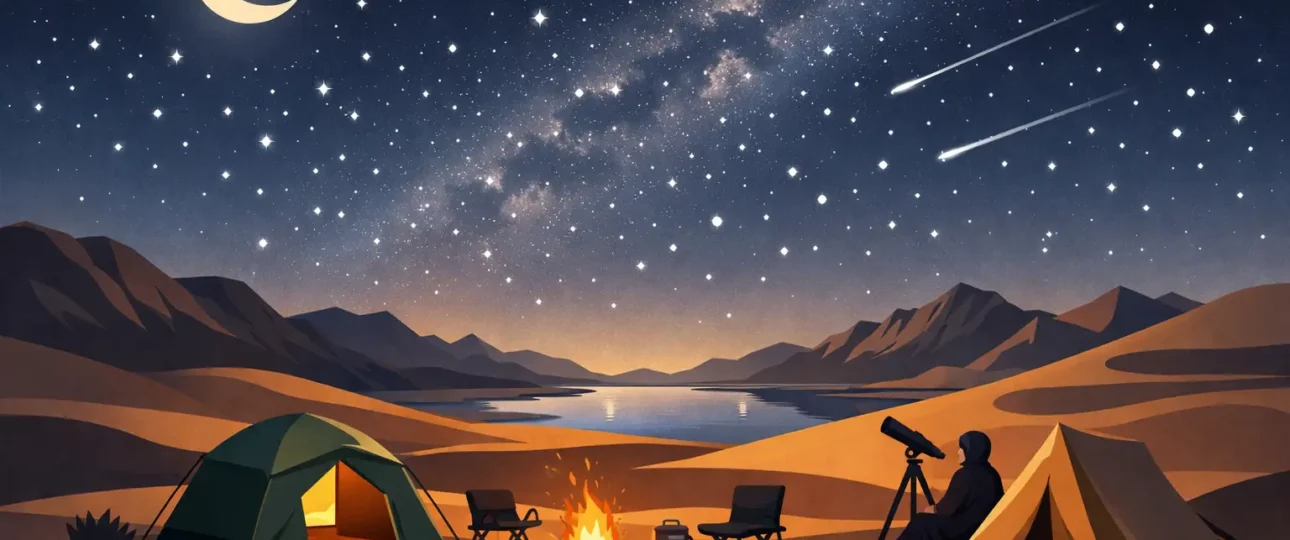
The first time you step away from the campfire in the Mauritanian desert, the silence is what catches you. Then your eyes adjust, the sky opens, and the stars stop looking like a backdrop and start feeling close enough to reach. If you are wondering how to plan Mauritania star camping, the real answer is not just picking a pretty dune. It is choosing the right season, route, support, and comfort level so the night feels extraordinary for the right reasons.
Mauritania rewards travelers who plan well. Distances are long, services are limited outside main routes, and the best camps feel remote because they are remote. That is exactly why star camping here can be so memorable. Done properly, it gives you the Sahara at its quietest and clearest, without turning logistics into guesswork.
What Mauritania star camping actually involves
Star camping in Mauritania usually means sleeping outdoors in the desert, often on a mattress or carpeted setup near a simple camp, with dinner prepared on site and support nearby. Some travelers want a very raw experience with minimal infrastructure. Others want the same open sky, but with a more comfortable camp arrangement, vehicle support, drinking water, and an organized route back to a guesthouse the next day.
Both approaches are valid. The difference is not authenticity. The difference is how much risk, fatigue, and uncertainty you want to carry yourself.
In Mauritania, the best star camping is not about checking off one night in the sand. It works best as part of a broader itinerary through places like the Adrar region, Chinguetti, Ouadane, or dune zones reached by 4×4. That way, the night under the stars is connected to the landscapes, old caravan towns, and desert travel rhythm that make it meaningful.
How to plan Mauritania star camping around the season
Season matters more than almost anything else. The ideal months for desert travel in Mauritania are generally the cooler season, especially from late fall through early spring. During this period, daytime temperatures are more manageable and nights are pleasant to cool, which is exactly what you want for sleeping outside.
If you travel too early or too late in the hotter part of the year, the desert can still be beautiful, but comfort drops quickly. A warm evening may sound appealing until the sleeping area holds heat for hours. Wind conditions can also shift your experience from magical to frustrating if you are unlucky with blowing sand.
That does not mean there is one perfect month for everyone. Photographers often prefer periods with clearer air and softer light. Travelers who dislike cold nights may want to avoid the coolest windows in deep winter. This is where local route planning makes a real difference, because conditions vary by region, altitude, and exposure.
Choose the right location, not just the right country
Mauritania is enormous, and not every desert night feels the same. Some areas give you towering dunes and a strong sense of isolation. Others pair open skies with easier access to cultural sites and more comfortable overland travel.
The Adrar region is often the strongest choice for first-time visitors planning star camping. It combines dramatic desert scenery, historic towns, manageable expedition routes, and the kind of terrain that suits organized overnight camps. Around Chinguetti and Ouadane, you can combine heritage and desert space in a way that feels distinctly Mauritanian rather than generic Sahara travel.
If your priority is pure remoteness, you may want a deeper off-road section with fewer settlements and a stronger expedition feel. If your priority is balancing comfort with adventure, choose a route where a desert night sits between clean guesthouse stays and supported transfers. Most travelers enjoy star camping more when it is one part of a structured journey rather than a test of endurance.
Decide your comfort level before you pack
A common mistake is being vague about what kind of camping experience you want. “Sleeping under the stars” can mean very different things from one trip to another.
Some travelers are happy with a simple ground setup, a blanket, and a quiet place to sleep. Others want mattresses, sheltered cooking space, wash water, and a support team that has already selected a secure camp spot. Neither is better. But if expectations are unclear, disappointment follows fast.
This is especially true for couples, small groups, and travelers who are new to desert environments. The romance of sleeping outside is real, but so are cold hours before dawn, wind changes, and the fatigue that comes from long road days. A professionally arranged camp smooths out those rough edges without taking away the atmosphere.
How to plan Mauritania star camping safely
Safety in Mauritania is less about drama and more about practical control. In remote desert areas, your main concerns are navigation, vehicle reliability, water supply, communication, weather exposure, and camp placement. These are solvable issues, but not casually.
Independent travelers sometimes underestimate how quickly the desert becomes complicated after sunset. Tracks can be hard to read, distances distort easily, and “nearby” may still mean a long drive over difficult terrain. A good overnight camp is chosen with access, wind direction, terrain stability, and route timing in mind.
That is why many travelers choose guided desert camping rather than arranging it themselves. With a dependable local partner, you are not improvising transport, permits, or camp logistics on the spot. You know who is responsible for the vehicle, where the camp will be set, how meals and water are handled, and what the plan is if conditions change.
What to bring for a comfortable night
Packing for star camping in Mauritania is about layers, protection, and restraint. You do not need a mountain of gear, but the few things you bring should earn their place.
Lightweight, breathable clothing works best during the day, but evenings can cool down quickly, so a warm layer is essential. A scarf or buff is useful for wind and sand. Closed shoes are better than sandals once the temperature drops and you are moving around camp in the dark. A headlamp, lip balm, sunscreen, and a power bank are all simple but worthwhile.
Try not to overpack bulky items for one night. If your trip is vehicle-supported, the team can usually manage camp essentials, bedding arrangements, and meal logistics. What you want on your side is a small, organized overnight kit that keeps essentials easy to reach.
If you are a photographer, the desert night asks for one extra layer of planning. Batteries drain faster in cooler conditions, sand is not kind to lenses, and a stable shooting setup matters if you are hoping for night sky images. The best stargazing camps are often the best photo camps too, but only if your equipment is protected and accessible.
Build the night into a realistic itinerary
The best desert nights happen when the day around them is not rushed. If you spend ten hours in transit, arrive after dark, and leave again at sunrise with no margin, the experience can feel compressed.
A better plan gives the camp room to breathe. Reach the site with enough daylight to settle in, walk the dunes, watch sunset, eat without hurry, and actually spend time under the sky. The next morning should also be realistic. Desert mornings are beautiful, but they are slower than hotel departures. Tea, breakfast, packing, and vehicle loading all take time.
This is where structured trips outperform improvised ones. A well-built itinerary protects the experience. It does not force you to choose between scenery and sleep, or between adventure and basic comfort.
For many international travelers, that balance is the reason to work with an operator like Tours in Mauritania. We handle bookings, transport, permits, airport transfers, and on-the-ground coordination so your camp night feels calm instead of complicated.
The trade-off between independence and support
Some travelers are drawn to Mauritania precisely because it feels less packaged than other desert destinations. That instinct makes sense. But there is a difference between a genuine experience and unnecessary friction.
Handling everything yourself may appeal if you already know the terrain, speak the language needed on the ground, and are comfortable solving route, fuel, and camp issues in real time. For most visitors, especially on a first trip, local support makes the journey better rather than less adventurous.
The point of planning well is not to cushion the desert until it feels ordinary. It is to remove the avoidable problems so the setting can do its work. You still get the stars, the silence, the dunes, and the feeling of distance. You simply reach them with a clear route and reliable support behind you.
A great night in the Mauritanian desert should leave you talking about the sky, the stillness, and the landscape at dawn – not the stress it took to get there. Plan for that version, and the experience has room to become exactly what you came for.