What to Pack for Mauritania Desert Trips
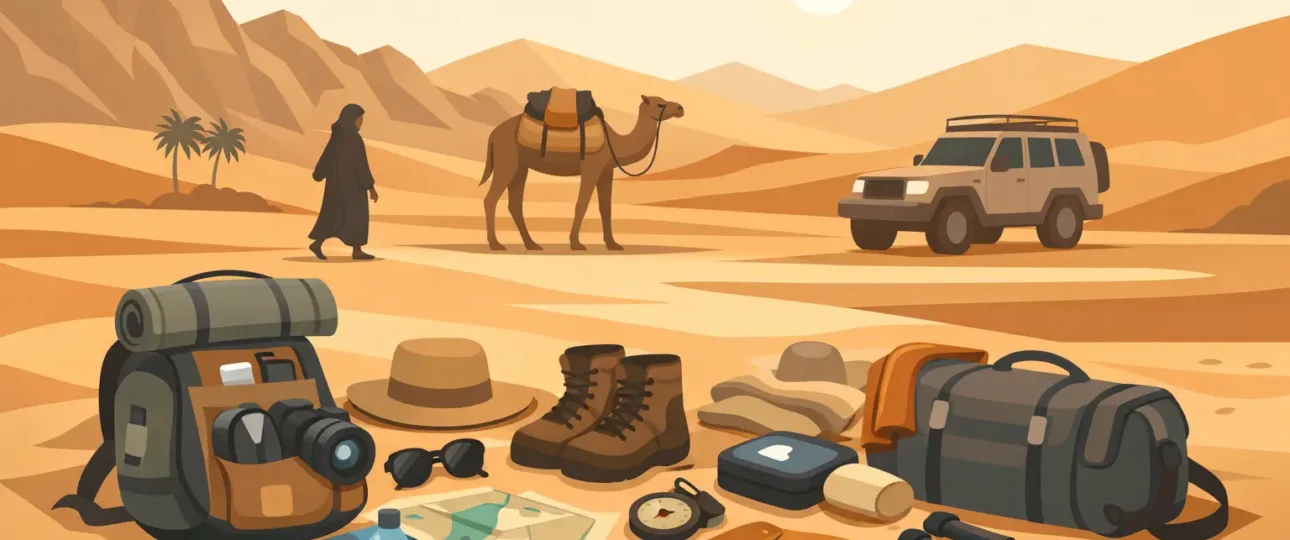
The first surprise for many travelers is that the Mauritanian desert is not only about heat. Days can feel intense under direct sun, but mornings and nights – especially in open camps or on longer crossings – can turn cool faster than expected. If you are wondering what to pack for Mauritania desert travel, the best approach is not to pack more. It is to pack smarter, with a focus on sun protection, comfort, dust, and the reality of long road and desert days.
A good packing plan should help you move easily, sleep comfortably, and avoid small problems that become big ones in remote areas. In Mauritania, reliable logistics matter, but your personal kit still shapes how comfortable you feel on the road, in camp, and in historic desert towns like Chinguetti or Ouadane.
What to pack for Mauritania desert weather
Clothing works best when it is light, breathable, and built for coverage. Many first-time visitors assume shorts and tank tops are ideal in the Sahara. In practice, loose long sleeves and lightweight long pants are usually more comfortable. They protect your skin from strong sun, reduce dehydration, and help with dust and wind.
Natural fabrics can feel great in dry heat, but performance fabrics often dry faster and handle repeated wear better during multi-day travel. The trade-off is comfort versus practicality. If you tend to sweat heavily or expect hand-washing along the way, quick-dry clothing usually wins.
Bring two or three lightweight long-sleeve shirts, two pairs of breathable pants, and a few base layers for changing between travel days and evenings. A light fleece or warm layer is worth carrying even if it feels unnecessary at departure. Desert nights can be surprisingly cool, and open vehicle rides in the early morning can add a chill.
Footwear should match your itinerary. If your trip includes camp stays, town walks, and some dune walking, closed-toe trail shoes or lightweight hiking shoes are usually enough. Heavy boots are often more shoe than you need unless you specifically prefer the ankle support. Sandals are useful for camp and showers, but they should be a second pair, not your main footwear.
A scarf or shemagh is one of the most useful items you can bring. It protects your face and neck from sun, wind, and blowing sand, and it adds warmth at night. A wide-brim hat is excellent for sun protection, but if you expect windy conditions, combine it with a scarf or choose a hat that stays secure.
The essentials that matter most in the desert
The best desert packing list is built around a few non-negotiables. Sun, dryness, dust, and distance are the main factors. If you cover those well, most other items are secondary.
Start with sun protection. Bring a high-SPF sunscreen, lip balm with sun protection, and sunglasses with solid coverage. The light can be harsh, especially in open desert landscapes and on bright sand. If you wear contact lenses, consider bringing glasses as a backup because dust can make contacts uncomfortable.
Hydration support matters too. Your guide and support team may manage transport and desert logistics, but it still helps to carry a reusable water bottle that is easy to access during drives and walks. Some travelers prefer a hydration bladder, but a sturdy bottle is simpler and easier to clean. Add electrolyte tablets or hydration salts if you are sensitive to heat or tend to get headaches when traveling in dry climates.
Dust protection is often underestimated. A scarf helps a lot, but it is also smart to pack wet wipes, tissues, and a few zip bags or packing cubes to keep clean and dusty items separate. Fine sand gets into everything eventually. The goal is not to stop it completely. The goal is to keep your essentials organized.
Documents, money, and small practical items
Remote travel gets easier when your important items are easy to reach and easy to protect. Keep your passport, visa documents, travel insurance details, and any permit-related paperwork in a simple document pouch. Even on well-organized guided trips, having your own copies – printed or digital – makes border checks, hotel arrivals, and airport moments smoother.
Cash is also important. Card acceptance can be limited outside major hubs, and you should not assume every stop will offer a reliable payment option. Bring enough cash for personal expenses, tips, and small purchases, and keep it divided between two places rather than carrying everything in one wallet.
A power bank is one of the most practical items on any Mauritania itinerary. Long overland days, camps, and remote stops may not always line up with your charging needs. If you are traveling with a camera, phone, drone, or GoPro, bring the correct charging cables and spare batteries. Photographers and filmmakers should pack more memory cards than they think they need. Dusty conditions make frequent gear changes less convenient, so extra storage is often more useful than extra lens swapping.
A headlamp is another small item that earns its space. It is helpful in desert camps, during night walks to bathroom facilities, and when packing before sunrise. Choose one with simple settings and bring spare batteries if it is not rechargeable.
What to pack for Mauritania desert camps and road days
Comfort in the desert often comes down to a few small choices. Pack a soft sleep layer, even if your trip includes organized camp bedding. A lightweight T-shirt and comfortable pants or thermal bottoms can make a big difference at night, especially if temperatures drop or wind picks up.
Toiletries should stay minimal but practical. Bring a toothbrush, toothpaste, deodorant, any prescription medication, hand sanitizer, and moisturizer. Dry desert air can be hard on skin, lips, and nasal passages, so a small face cream or petroleum jelly is useful. If you are prone to stomach sensitivity while traveling, pack your preferred basic remedies rather than hoping to find them later.
For long vehicle days, think about access rather than volume. Keep one small day bag with water, sunscreen, wipes, lip balm, sunglasses, charger, snacks, and your scarf. The rest can stay packed away. This makes stops faster and keeps your seat area manageable.
Snacks are not essential if your tour includes meals, but they can be welcome on longer stretches between stops. Choose heat-tolerant options like nuts, granola bars, or dried fruit. Chocolate often suffers in the desert.
How much luggage to bring
Soft luggage is generally better than a hard suitcase for desert travel. It is easier to load into vehicles, easier to store, and more forgiving on multi-stop itineraries. A medium duffel or soft travel bag plus a daypack is usually enough for most guided trips.
Overpacking creates its own problems. You are more likely to lose track of items, waste time repacking, and carry clothes you never wear. A compact, well-planned bag is more useful than a large suitcase filled with just-in-case items.
If your itinerary combines cities, caravan towns, and nights in camp, aim for versatility. Choose clothing that layers well and works across several settings. One shirt for road travel, town visits, and evening camp time is better than three highly specific outfits.
What people often forget
Travelers regularly forget how helpful a second pair of sunglasses can be, especially if one gets scratched or lost in sand. They also forget simple medical basics like blister care, pain relief, antihistamines, and any personal medication in clearly labeled packaging.
Another common miss is underestimating how much they will use a scarf. In Mauritania, it is not just a style choice. It is one of the most functional items in your bag.
Finally, think about expectations. Desert travel does not require luxury gear, but it does reward thoughtful preparation. You do not need to bring your whole outdoor closet. You need clothing that handles sun and cool evenings, a few comfort items for camp, and reliable basics for dust, hydration, and long road days.
When guests travel with https://Toursinmauritania.com, we handle the transport, bookings, permits, and on-the-ground coordination so you can focus on the experience itself. The right packing list supports that same goal. Pack light, pack for the climate you will actually face, and leave room for the part that matters most – being fully present in one of the Sahara’s most extraordinary landscapes.
If you are still deciding between one more outfit or one more layer, take the layer. In the desert, practical comfort almost always wins.