Akreijit — Echoes of an Ancient Civilization in the Heart of the Sahara
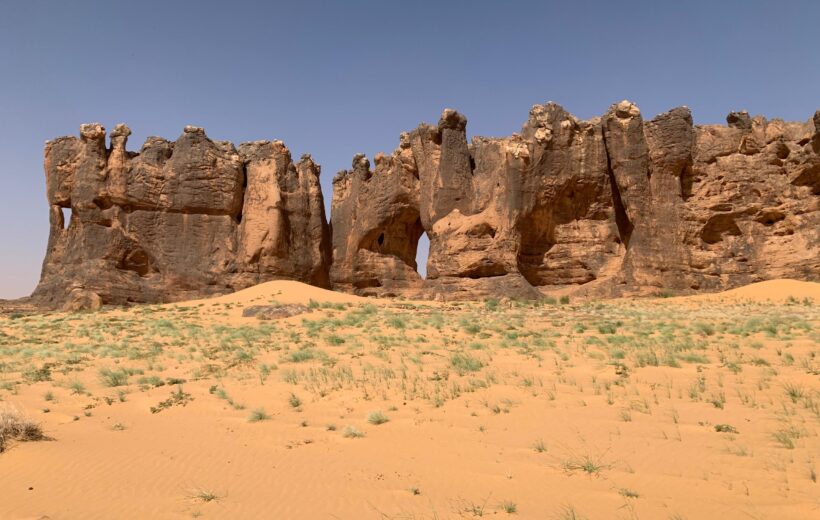
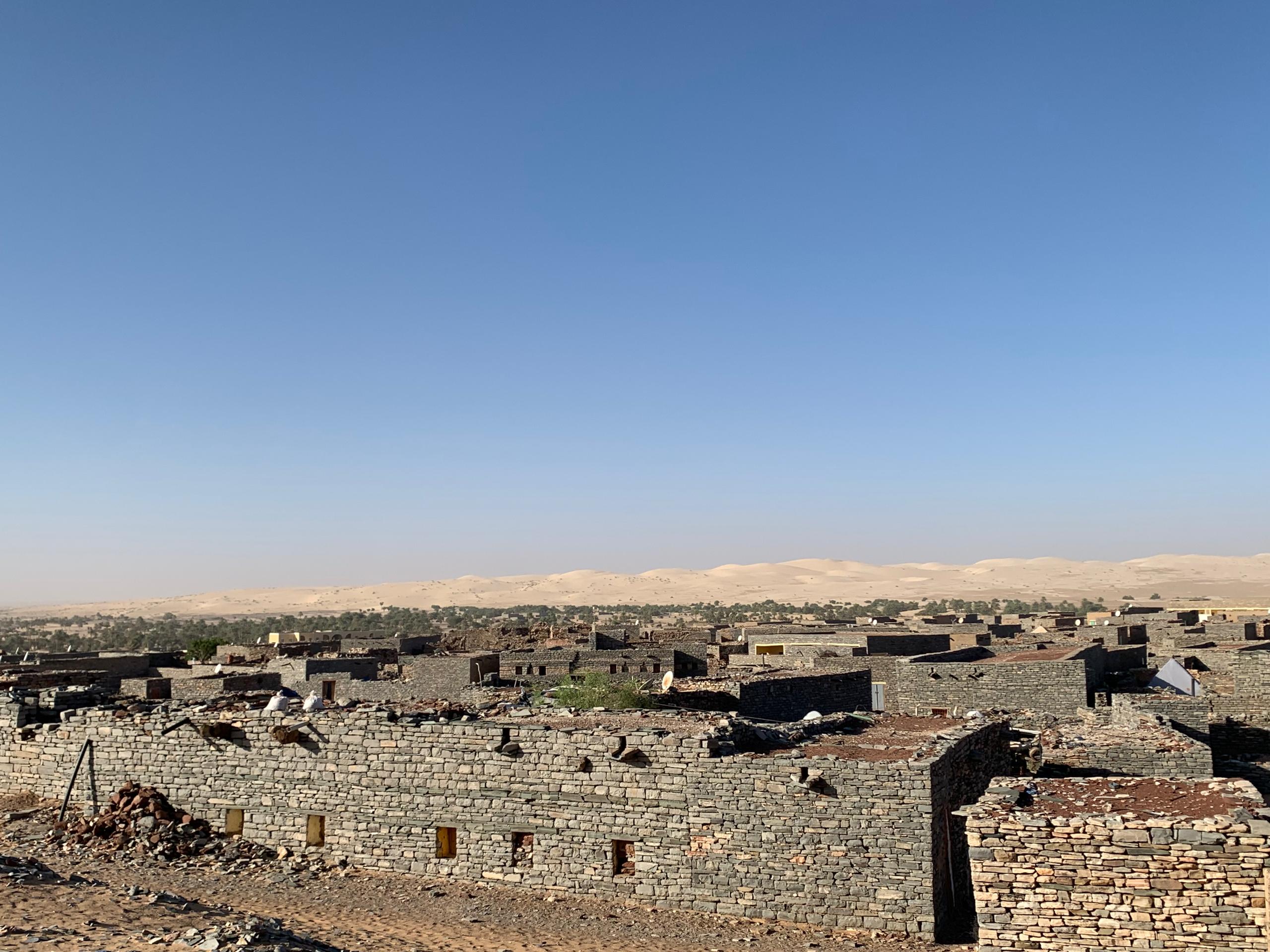
In the vast and mysterious Tagant Plateau of central Mauritania lies Akreijit (also spelled Aghrejit), one of West Africa’s most fascinating and least-known archaeological sites. Nestled amidst golden dunes and rocky outcrops, Akreijit stands as a silent witness to a civilization that thrived thousands of years ago — long before the Sahara became the arid desert we know today.
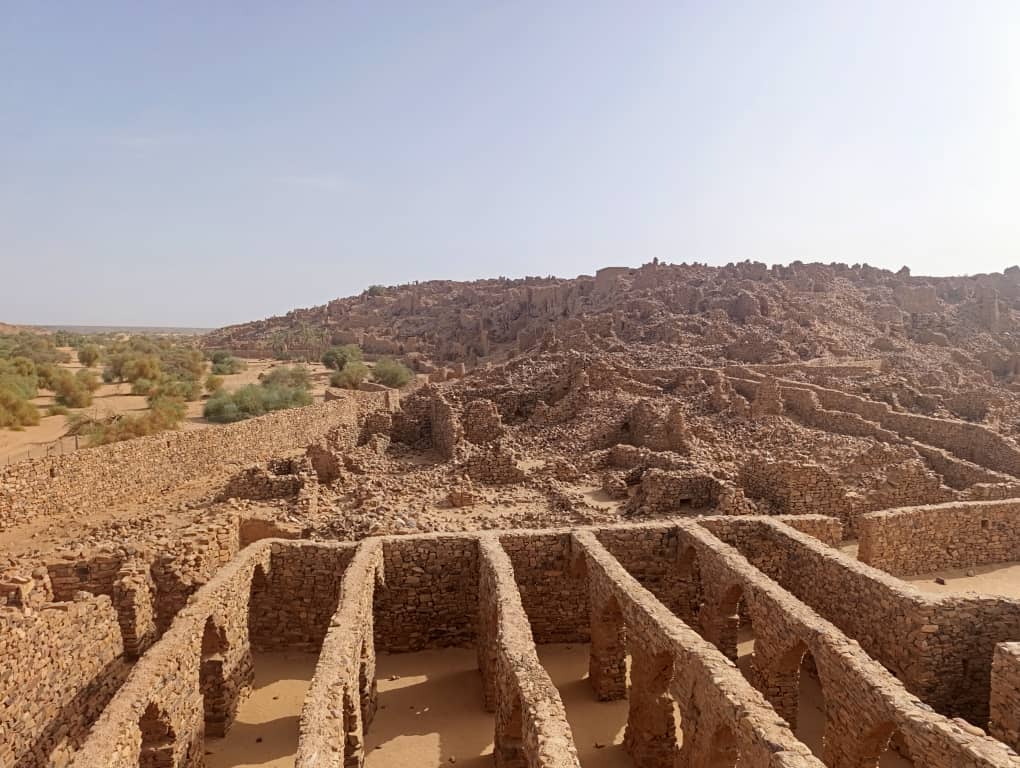
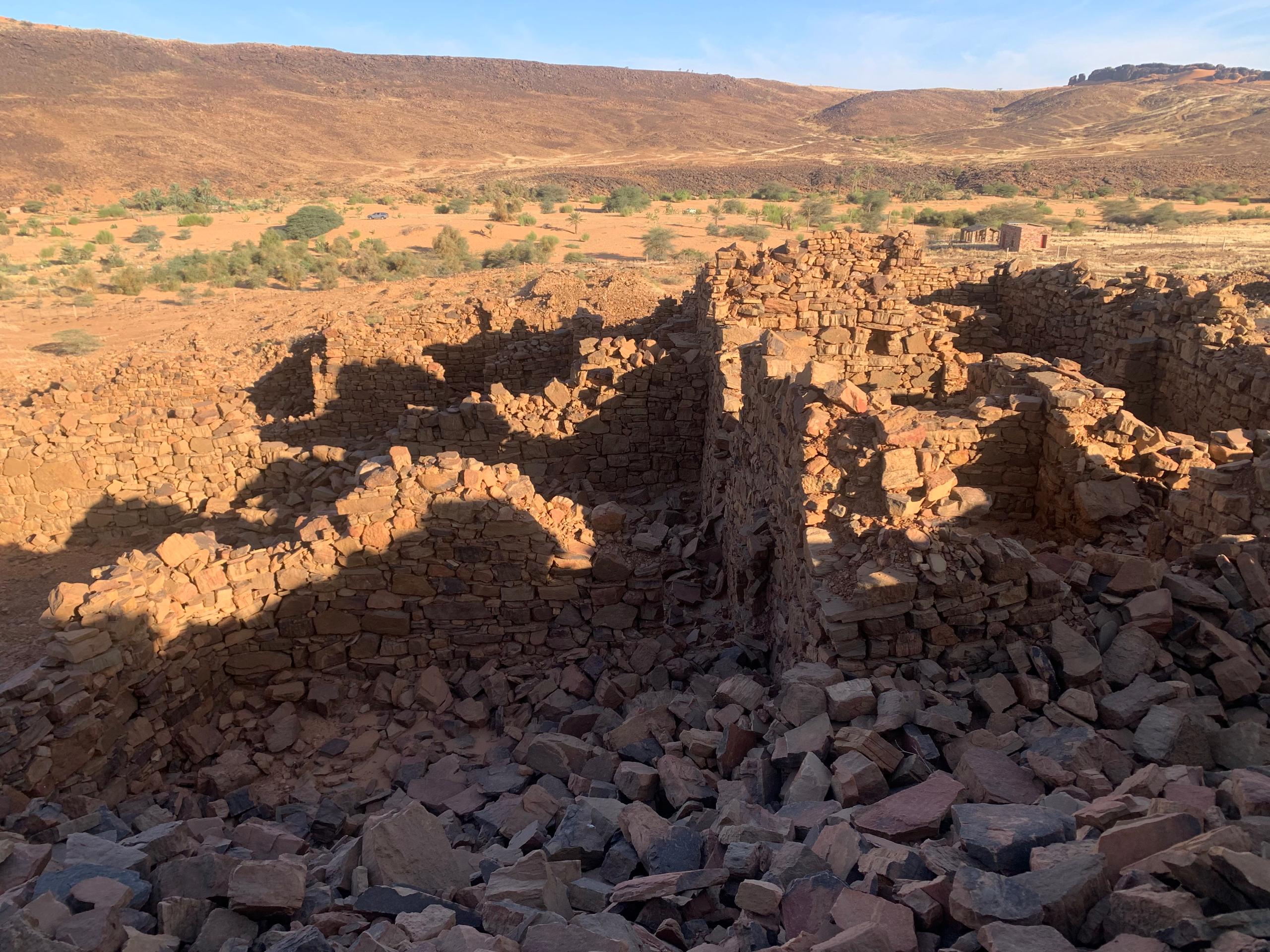
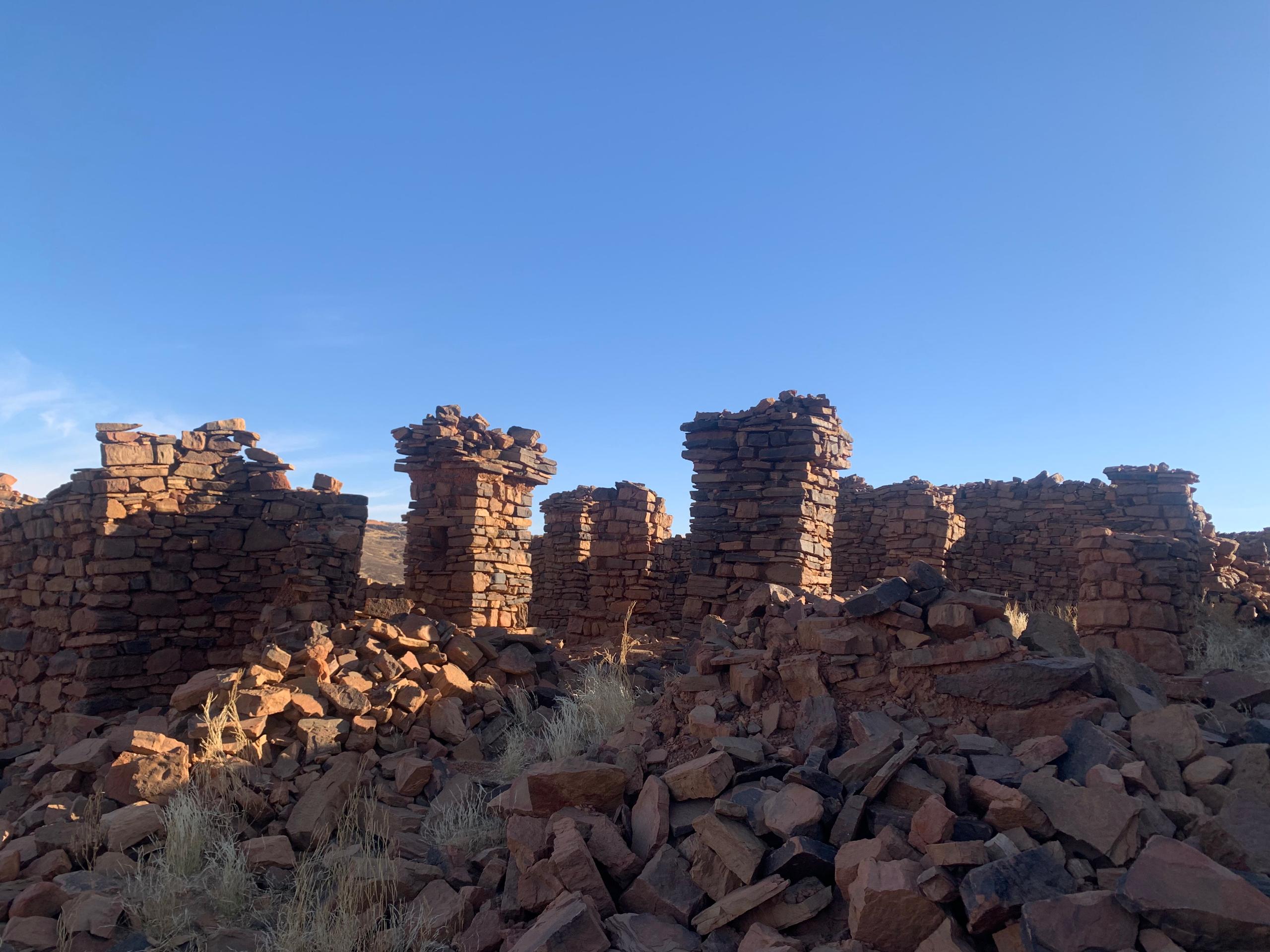
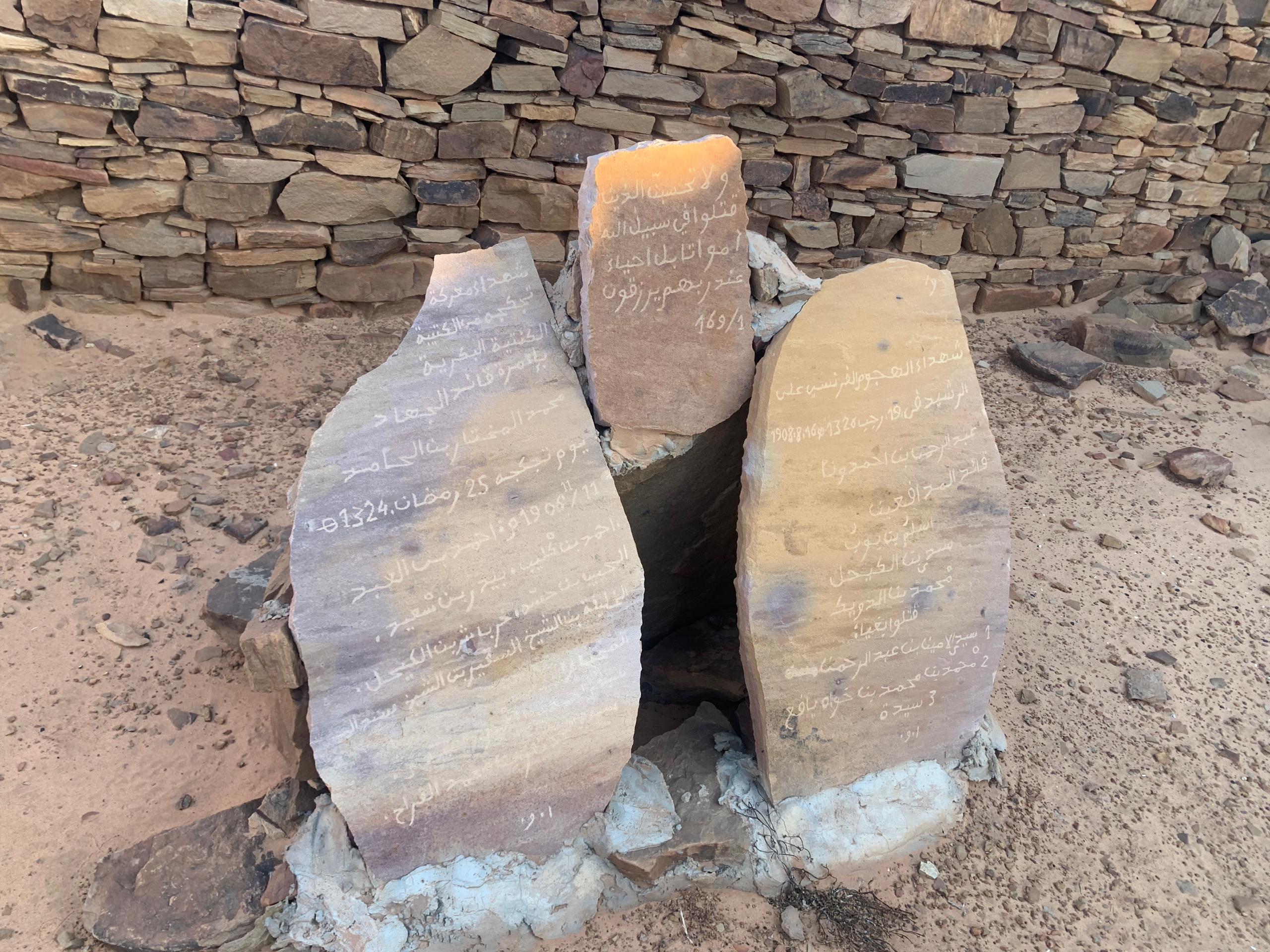
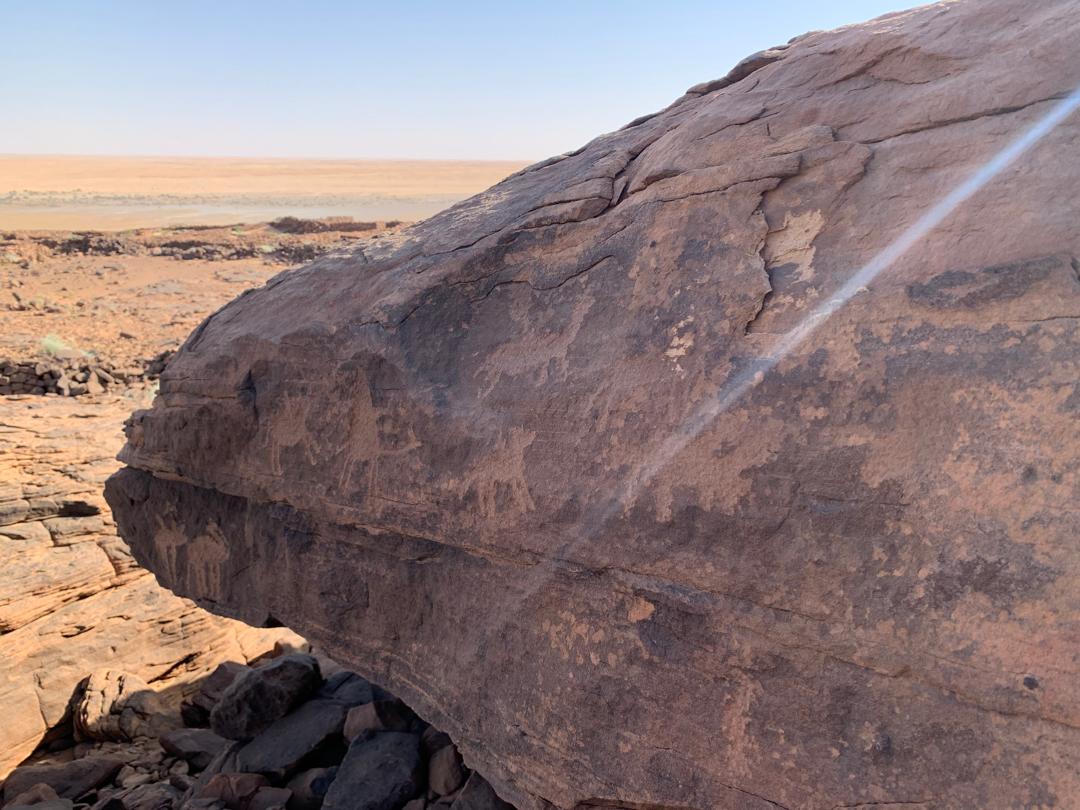
Dating back nearly 5,000 years, Akreijit is believed to have been one of the earliest urban settlements in the Sahara. The remains of its ancient stone dwellings, circular tombs, and ceremonial structures hint at a highly organized society — one that practiced agriculture, fishing, and animal husbandry when this region was still lush with lakes and rivers. Archaeological excavations have uncovered pottery, tools, and artifacts that reveal a deep connection between the people of Akreijit and other prehistoric cultures across the Sahel and North Africa.
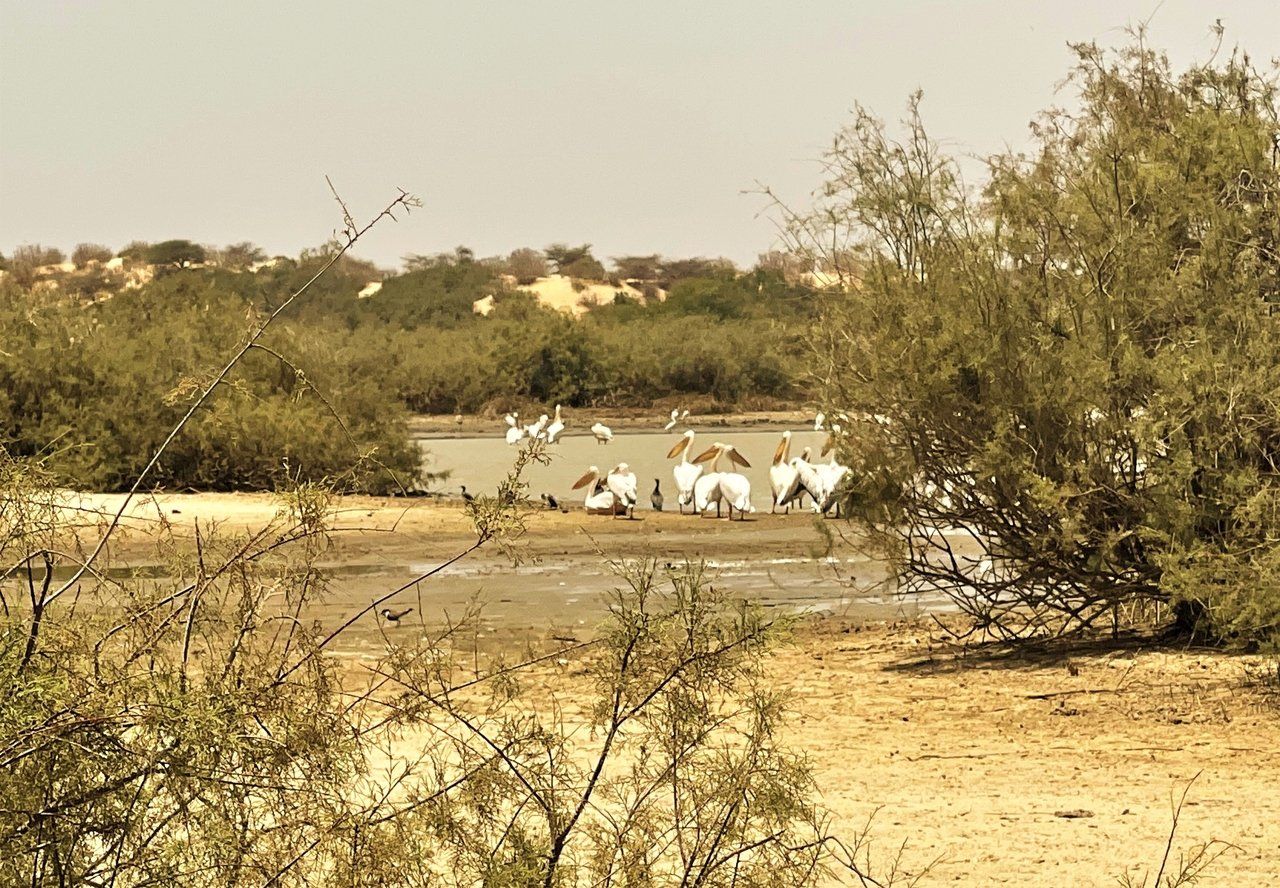
What makes Akreijit truly captivating is its ability to tell the story of how humans adapted to the changing environment. As the climate became drier and the desert expanded, its inhabitants gradually moved toward the oases and valleys that offered refuge. The site today stands as a symbol of human resilience, offering valuable insights into the early stages of Saharan civilization and the dawn of social complexity in West Africa.
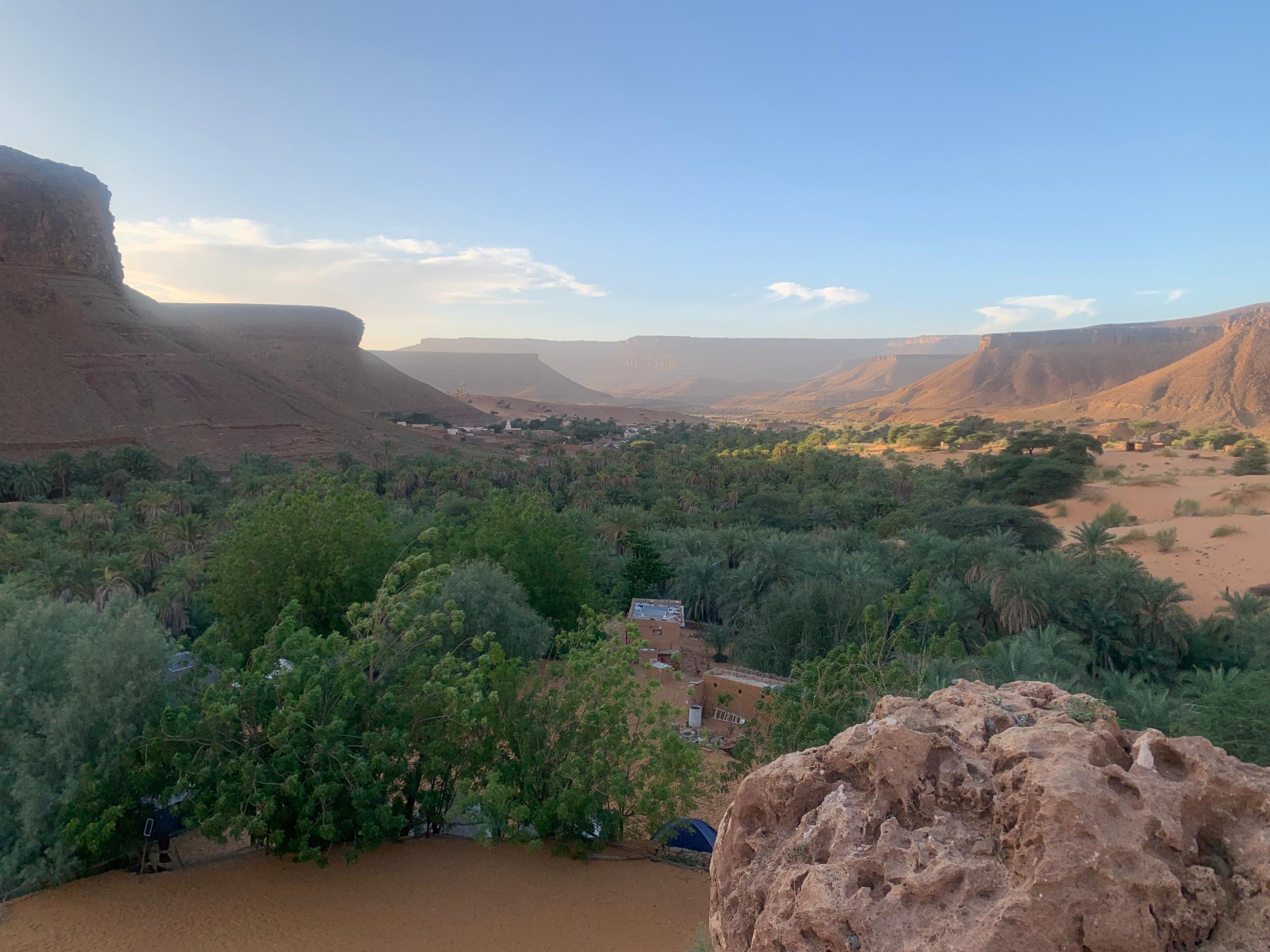
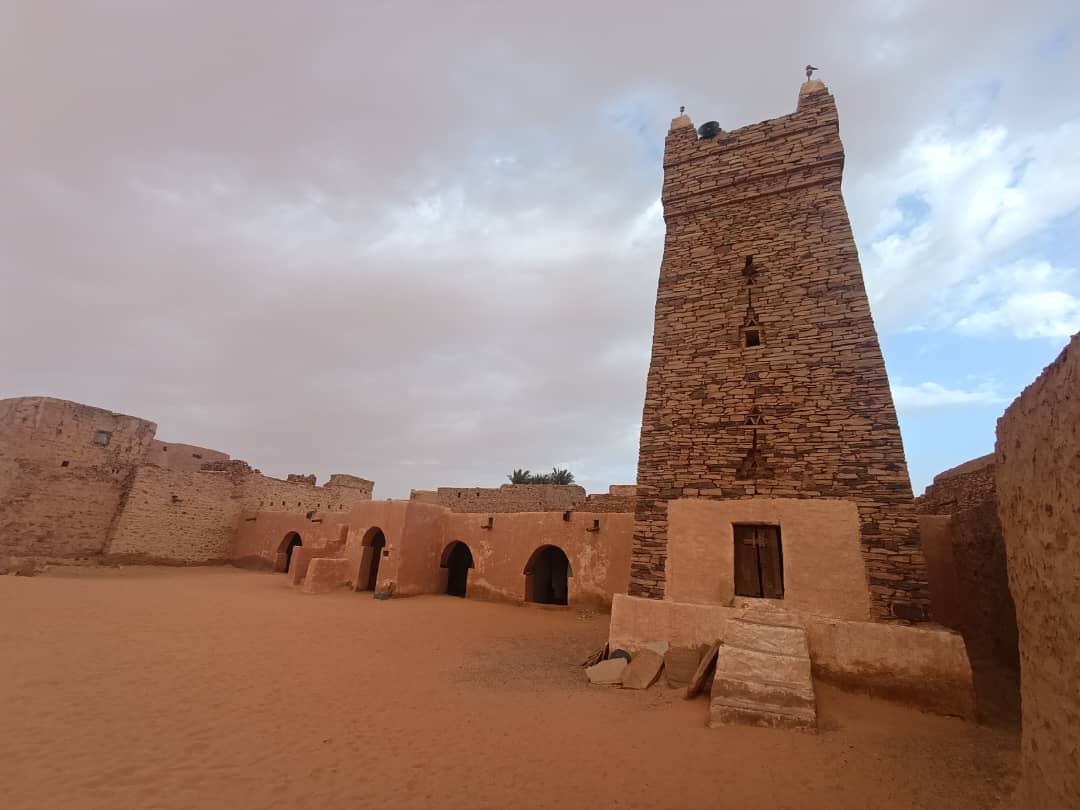
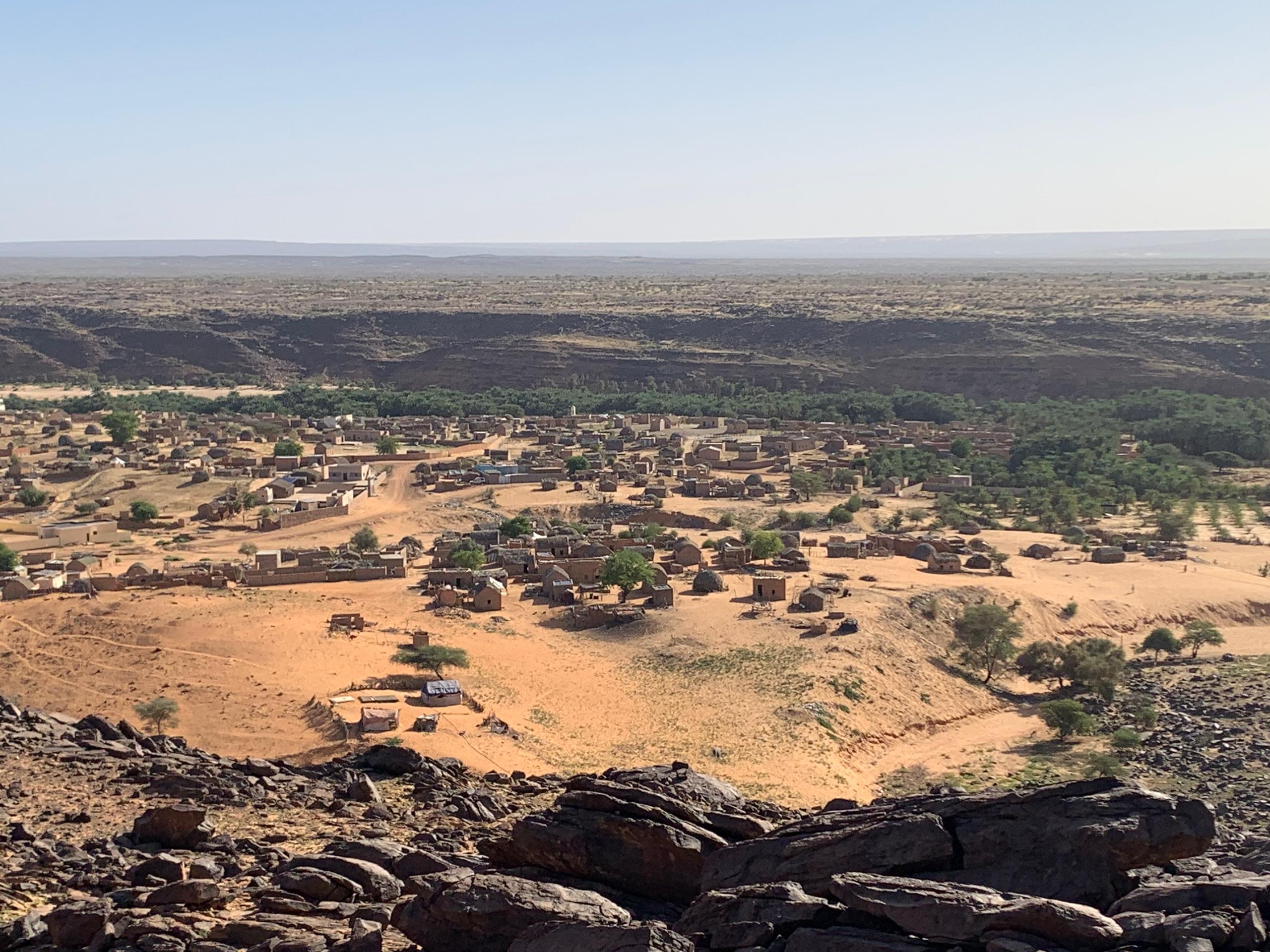
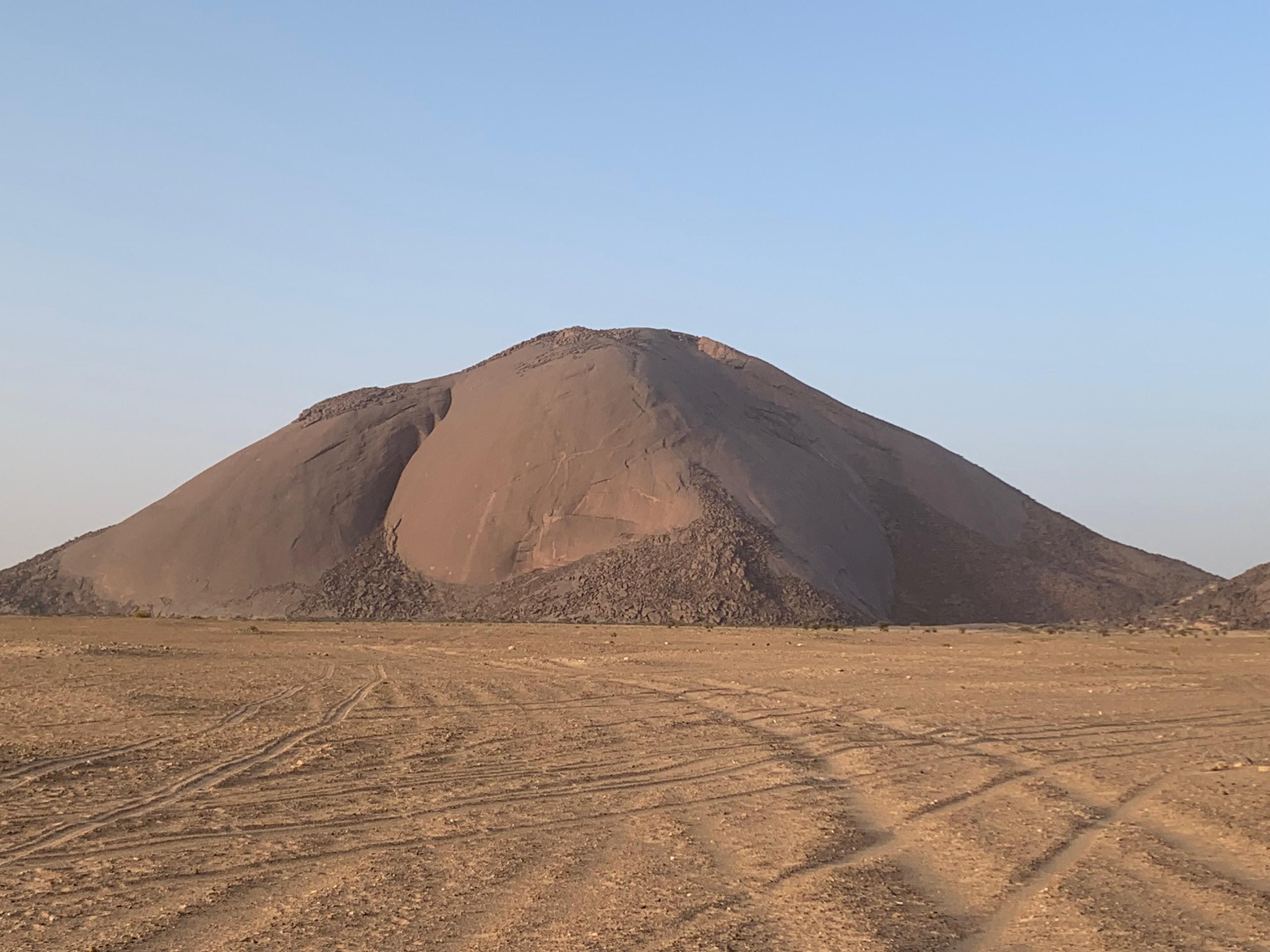
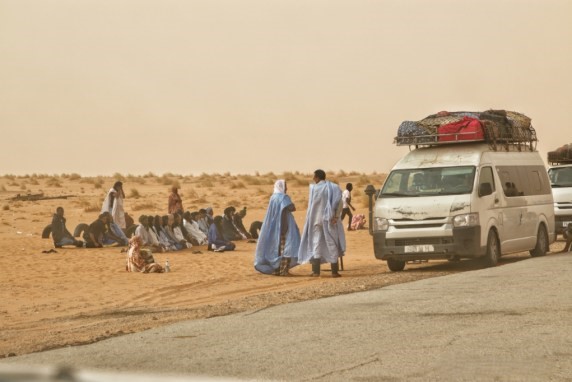
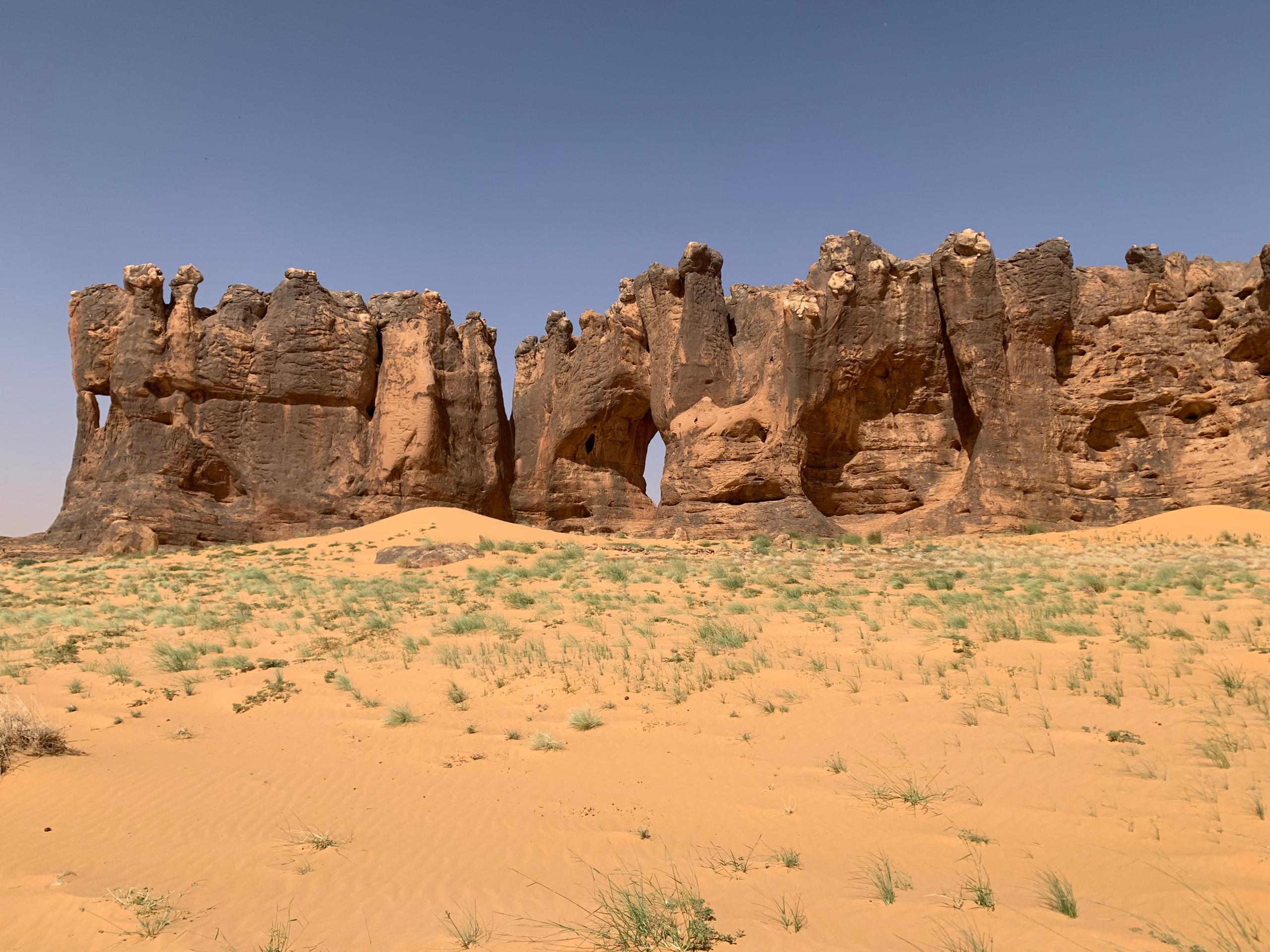
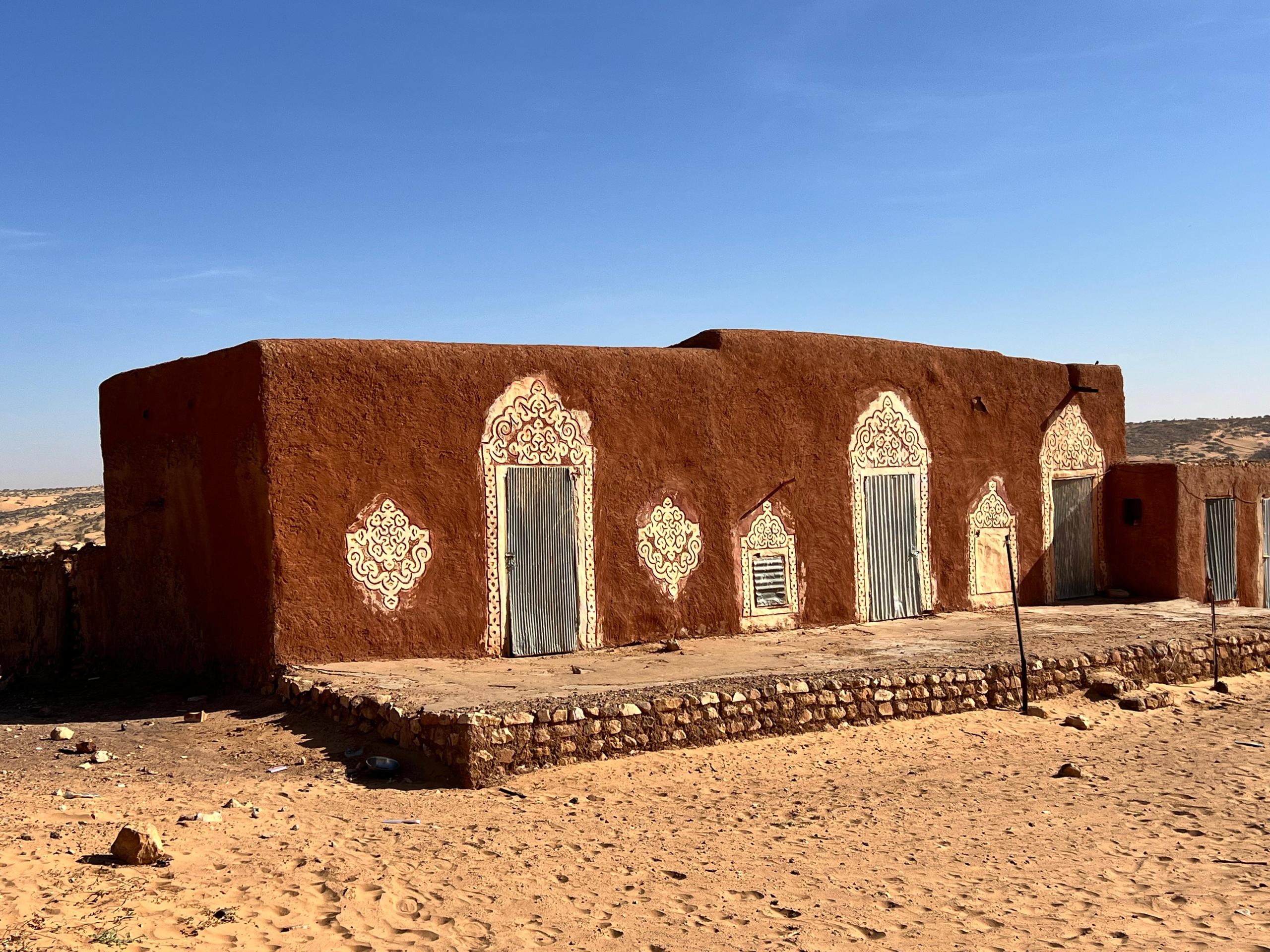
Surrounded by the mesmerizing landscapes of the Tagant region, the journey to Akreijit is itself an unforgettable adventure. Travelers pass through vast plateaus, sand dunes, and wadis dotted with acacia trees, where nomads still herd their camels and goats just as their ancestors did centuries ago. The nearby town of Tidjikja, known for its traditional architecture and palm groves, serves as a perfect base for exploring the site.
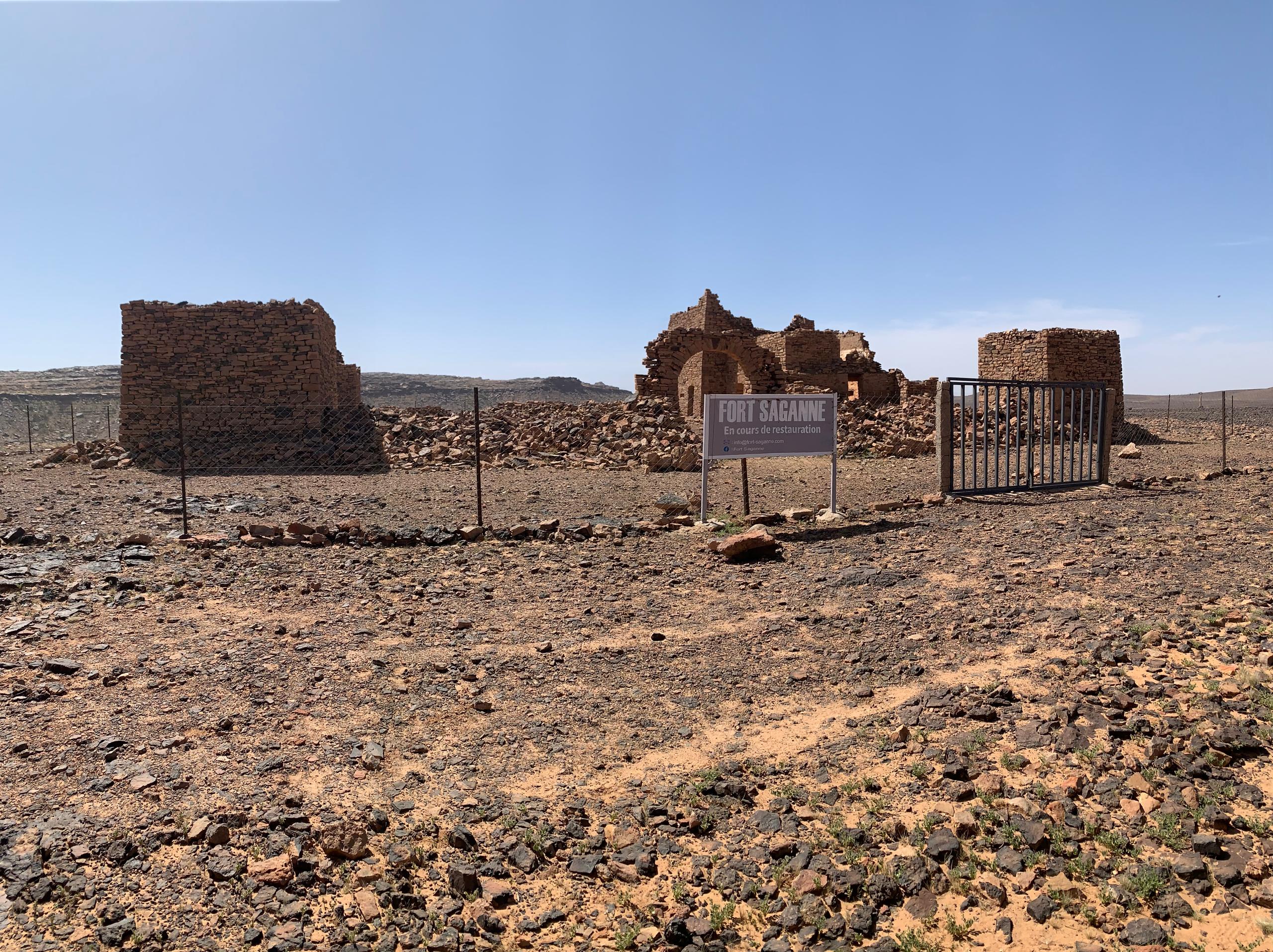
Walking through Akreijit, one can still feel the aura of antiquity — the scattered stones and remnants of walls whispering stories of a world long gone. The site remains largely untouched by mass tourism, offering visitors an authentic sense of discovery. The silence of the desert amplifies the imagination: it’s easy to picture ancient communities gathering around fires, sharing food and stories under the same stars that shine above today’s travelers.
For those interested in archaeology, anthropology, or the origins of Saharan cultures, Akreijit is a hidden gem that bridges the past and present. It invites visitors not only to see the ruins but to reflect on humanity’s deep connection with the land, and how adaptation has always been part of survival in the Sahara.
Exploring Akreijit is more than just a visit — it’s a journey through time, culture, and the roots of Mauritania’s ancient heritage. In the stillness of its sands, the echoes of an old civilization continue to resonate, reminding every traveler that even in the harshest landscapes, life has always found a way.