Mauritania Expedition Packing List
You feel the difference in Mauritania as soon as the road opens up and the distances start to stretch. A day might take you from Nouakchott to a quiet desert camp, from a stone ksar to a dune field, or onto the Iron Ore Train under a sky with no city glow at all. Packing well is not about bringing more. It is about bringing the right things for heat, dust, movement, and a trip where support matters but convenience stores do not.
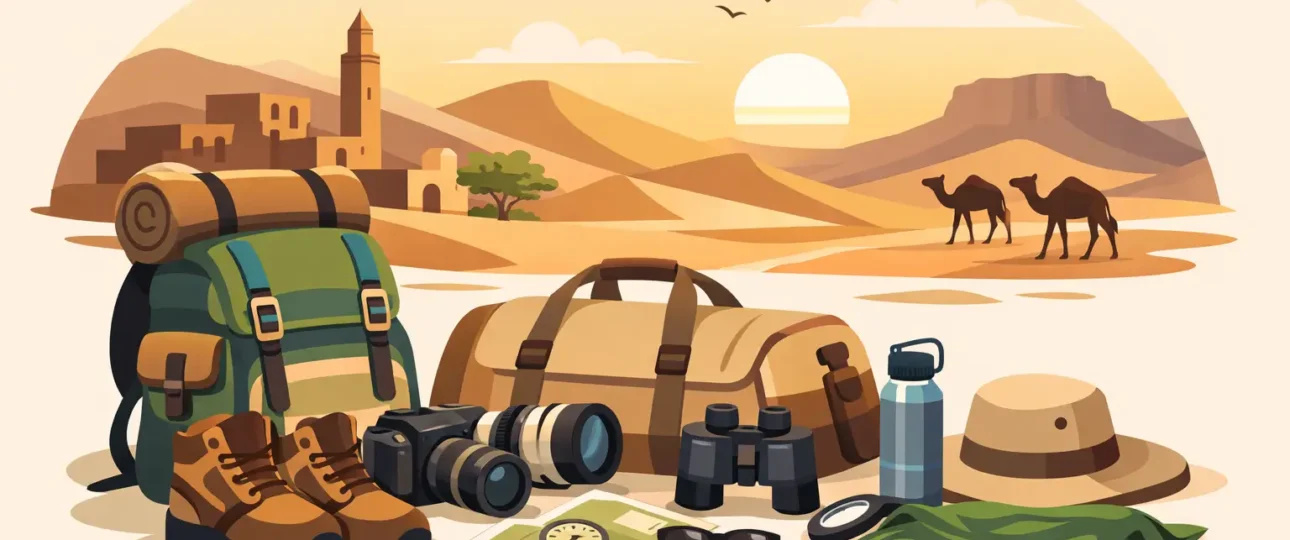
This Mauritania expedition packing list is built for guided travel across the country – desert crossings, historic towns such as Chinguetti and Ouadane, coastal stretches, and train-based adventure. If your trip is organized properly, your transport, permits, and overnight logistics are handled. That makes your job simpler. You pack for personal comfort, safety, and a much better experience on the ground.
What a Mauritania expedition packing list needs to cover
Mauritania is not one single packing scenario. Nouakchott is different from the Adrar. A guesthouse night is different from sleeping in camp. Riding in a 4×4 is different from climbing onto the Iron Ore Train. The basics stay the same, but a good packing plan accounts for these shifts without turning your duffel into dead weight.
The most useful approach is to pack in layers and categories. Think sun protection, temperature swings, dust management, personal hygiene, documents, and electronics. Then add a few specific items based on your itinerary. If you are joining a guided route with a reliable local operator, you can leave behind the anxiety-driven extras and focus on what you will actually use.
Clothing for heat, sun, and changing nights
Loose, breathable clothing works best in Mauritania. Long sleeves and lightweight long pants usually outperform shorts and tank tops, not because of formality alone, but because they protect you from sun, dust, and dry wind. Fabrics that dry quickly are far more practical than heavy cotton, especially if you are moving between camps and guesthouses.
Bring two or three lightweight long-sleeve shirts, two pairs of breathable pants, and a few base layers or T-shirts for evenings and transit days. One warmer layer matters more than many travelers expect. Desert nights, especially in the cooler season, can feel surprisingly cold once the sun drops. A fleece or light insulated jacket is often enough, but if you know you get cold easily, pack accordingly.
Footwear depends on your route. For most travelers, one comfortable closed-toe pair is enough – trail shoes or lightweight hiking shoes with decent grip. Sand gets everywhere, so footwear that is easy to shake out helps. A second easy pair such as sandals or slides is useful in camp and at guesthouses.
A headscarf or shemagh earns its place quickly. It helps with sun, wind, dust, and even warmth on the train at night. A wide-brim hat or cap is also worth bringing, but if you only choose one extra sun item beyond sunglasses, make it the scarf.
Toiletries and personal care for remote travel
Desert travel rewards simplicity. Bring a small, organized toiletry kit rather than your full bathroom shelf. Sunscreen is essential, and it needs to be one you will actually reapply. Lip balm with SPF, moisturizer, and eye drops can make a bigger difference than people expect once the dry air and wind set in.
Hand sanitizer and wet wipes are practical on road days and train segments. Toilet paper or pocket tissues should always be in your day bag, not buried in your main luggage. If you wear contact lenses, consider whether glasses may be easier for dusty conditions. It depends on your tolerance, but many travelers end up preferring glasses on desert-heavy days.
If you take prescription medication, carry enough for the entire trip plus a buffer in case of delay. Keep it in original packaging if possible. A small personal first-aid pouch is sensible too – pain reliever, bandages, any stomach medication you trust, blister care, and antihistamines if you are prone to reactions.
The documents and money you should keep close
Your passport, visa documents if applicable, travel insurance details, and copies of key reservations should stay accessible and protected from dust. A slim document pouch or zip bag works well. It is smart to have both printed and digital copies of important documents.
Cash matters in Mauritania more than in many highly connected destinations. Bring enough for personal spending and contingencies in clean, good-condition notes if you are exchanging foreign currency. Keep your money split between two places rather than all in one wallet. A money belt is optional, but a secure inside pocket or small crossbody pouch works well for many travelers.
Day bag vs main bag
For this kind of trip, a soft duffel or travel bag is usually more practical than a hard suitcase. Soft bags load more easily into 4x4s and are easier to manage in desert settings. Keep your main bag compact enough to move without frustration.
Then add a comfortable day pack for the things you need during drives and excursions: water, sunscreen, scarf, camera, wipes, snacks, medications, and a warm layer. If you are planning the Iron Ore Train, your day bag becomes even more important because quick access beats digging through larger luggage in the dark or in dust.
Electronics that are useful, not excessive
A phone, charging cable, power bank, and universal adapter are the core setup for most travelers. If you are a photographer or filmmaker, bring protection for your gear before you bring extra gear itself. Dust is the issue. Dry bags, zip pouches, lens cloths, and simple storage discipline matter.
For cameras, fewer lenses can actually be the better choice on a moving expedition. Changing lenses constantly in dusty conditions invites problems. If your itinerary includes historic towns, dunes, train travel, and long road distances, think in terms of flexibility, battery life, and protection rather than a full studio kit.
A headlamp is one of the best small items you can pack. Camps, train stops, and overnight desert settings are simply easier with hands-free light. Bring spare batteries if your model needs them.
What to pack for the Iron Ore Train
This is where the Mauritania expedition packing list becomes more specific. The Iron Ore Train is unforgettable, but it is also exposed, dusty, and physically demanding in a way that standard overland travel is not. You do not need luxury items. You need practical ones.
Wear clothing you are happy to get very dirty. A scarf or face covering is essential. Protective glasses or tight-fitting sunglasses can help when dust picks up. Bring a warm outer layer because the temperature can drop sharply at night, and sitting still makes the cold feel stronger.
Gloves are a smart add-on for grip and comfort. A compact foam mat or something to sit on can make a big difference during long hours. Keep water, snacks, and any critical medication directly on you. Pack electronics in sealed bags, and do not assume a backpack alone is enough protection from fine dust.
Sleep and comfort items that travelers actually use
If your itinerary includes desert camping, a sleeping bag liner can be helpful for comfort and cleanliness, though whether you need a full sleeping bag depends on the season and the camp setup. If your trip is arranged through an experienced local partner, ask what sleep equipment is already provided so you do not duplicate gear.
A travel pillow is very optional. Some travelers love it on long drives; others resent carrying it. Earplugs are more universally useful, especially if you are a light sleeper or sharing space. A small quick-dry towel can also be worth packing if your itinerary mixes camps and simple accommodations.
A few things people forget
The items that save trips are often not dramatic. Rehydration salts are useful after long sun exposure. A few energy bars or familiar snacks help on transit-heavy days. A laundry pouch keeps dust-covered clothing separate. A pen still matters for forms. If you have sensitive skin, bring the products you already know work for you rather than hoping to improvise on the road.
It is also worth adjusting expectations. You do not pack for Mauritania the same way you pack for a city break or a beach resort. The goal is to stay comfortable enough to enjoy the experience, not to prepare for every remote possibility.
Pack lighter than you think
One of the most common mistakes is overpacking for “just in case.” In Mauritania, that usually means more bulk, more digging through bags, and more items collecting dust without ever being used. A lighter bag is easier in vehicles, easier in camps, and easier when plans shift slightly, as they sometimes do in real expedition travel.
If you are traveling with a structured operator such as Tours in Mauritania, much of the hard part is already taken care of – transport, route planning, permits, and support on the ground. That gives you room to pack with confidence instead of fear.
Bring clothing that works hard, gear that protects you from sun and dust, and a few comforts that matter to you personally. The rest is better left at home, so you can pay attention to the desert light, the old caravan towns, and the long silence that makes Mauritania feel unlike anywhere else.