
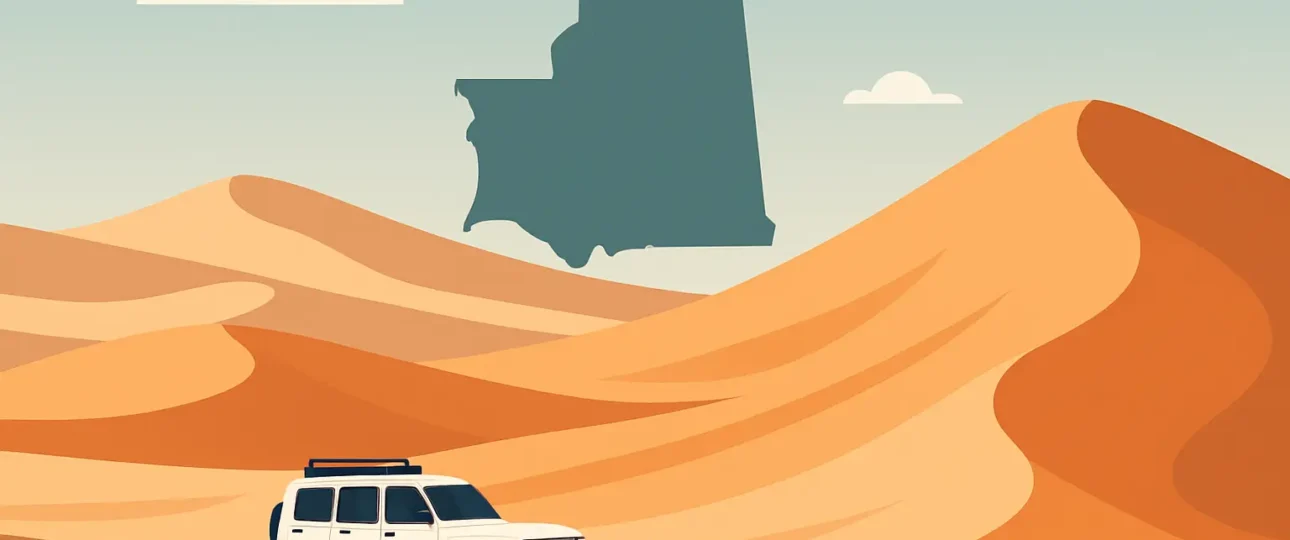
Mauritania Dune Crossing Itinerary (8 Days)
You don’t come to Mauritania for a quick photo stop at the edge of the sand. You come because you want the real thing: long horizons, clean wind, and a route that actually commits to the dunes—then backs it up with drivers who know the terrain and camps that feel secure when the stars take over.
A dune crossing here is not a theme-park loop. It’s a moving journey through the Adrar, where conditions shift by the hour and the best moments happen between “named sights.” The right plan balances ambition with realism: enough time in the sand to feel remote, enough structure to stay comfortable, and enough flexibility to respond to weather, soft sand, and the pace of the group.
The Mauritania dune crossing itinerary: 8 days that actually works
This eight-day outline is built for travelers who want a true Sahara crossing experience plus the cultural anchors that make Mauritania feel timeless: Ouadane and Chinguetti, the dunes of the Amatlich, and nights in the desert with a practical setup. It assumes a 4×4 with an experienced desert driver and guide.
Drive times in Mauritania are not like drive times elsewhere. Road conditions can change, navigation off-road is a skill, and stopping often is part of the point—tea, photos, short walks, and simply letting the desert set the pace.
Day 1: Arrive Nouakchott, settle in, and reset
Most travelers land in Nouakchott after a long haul. The win on day one is not “seeing everything,” it’s arriving smoothly, getting local SIM/cash sorted if needed, and sleeping well.
If you have energy, a low-key city experience—fish market at the beach near sunset, a simple dinner, and early rest—sets you up for the road ahead. Keep expectations practical: Nouakchott is working Mauritania, not a museum, and it’s valuable because it’s real.
Day 2: Nouakchott to Atar (gateway to the Adrar)
This is your transition day from coast to desert. The route is mostly straightforward, with the landscape gradually drying out and opening up. Atar is the staging point for many Sahara routes because it sits close to the Adrar’s key sites and offers a solid base for last checks—fuel, water, food supplies, and final coordination.
Plan for a calm evening. A clean, secure guesthouse and an early dinner matter more than late-night wandering. Tomorrow is when the trip starts to feel like a crossing.
Day 3: Atar to Ouadane via desert pistes
Leaving pavement behind is a psychological shift. You’ll start reading the surface—hard pan, soft pockets, wind-sculpted ridges—and you’ll understand why local navigation is non-negotiable.
Ouadane is one of the most atmospheric places in the Sahara: a historic caravan town where stone ruins blend into the desert. The “site” isn’t just a monument; it’s the feeling of isolation and continuity. Wander with a guide who can explain how trade routes shaped the region and what daily life looks like now.
Sleep in Ouadane in a simple, welcoming place where you can shower, charge batteries, and rest before deeper desert days.
Day 4: Ouadane to the Amatlich dunes (first true sand day)
Today is where your dune crossing becomes real. The Amatlich is the classic dune-and-oasis landscape many travelers imagine—tall dunes, deep silence, and pockets of green where water allows it.
Expect a slower pace. In the sand, distance is deceptive; a short line on the map can mean careful driving, detours around soft sections, and frequent stops. This is also your first proper desert camp night.
A well-run camp makes a huge difference: a sheltered cooking spot, clean bedding or mattresses, and a clear plan for wind. You can absolutely sleep under the stars—many travelers do—but it should be by choice, with a comfortable backup setup ready.
Day 5: Cross the dunes toward Chinguetti (oasis, ridges, and big views)
This is the day photographers remember: morning light on dune faces, long shadows, and the gentle rhythm of moving through sand. Some sections will feel effortless; others will demand patience.
Chinguetti is a cultural counterpoint to the dunes. Known for its old libraries and caravan-town history, it’s a place to slow down and listen. Visit the ancient quarter, hear how families preserved manuscripts, and see how desert life shapes architecture and daily routines.
After multiple nights of dust and wind, a secure guesthouse night is restorative. Enjoy a proper wash, organize your gear, and let the quiet settle.
Day 6: Chinguetti to Terjit oasis (palms, water, and a reset)
Terjit is a desert gift: palms, shade, and cool water flowing through a narrow gorge. After dune driving, the sensory contrast is immediate.
Hike gently through the oasis, then rest. This is a smart place to build in recovery—especially for travelers who underestimated how tiring sand driving and desert nights can be. If you’re traveling as a small group, this is also where everyone seems to start moving at the same rhythm.
Camp or stay nearby with comfort in mind. Terjit’s charm is real, but you still want a tidy, secure sleep setup.
Day 7: Terjit to Nouakchott (return with a buffer)
The return drive is longer and can feel like re-entry. Build in buffer time rather than pushing hard. If anything has delayed you—soft sand, wind, extended stops, or simply enjoying the route—this is the day where extra flexibility prevents stress.
Back in Nouakchott, aim for a calm evening: a reliable hotel, dinner you know agrees with you, and packing for departure.
Day 8: Departure day (or add a signature extension)
If you’re flying out, keep departure day simple and organized. If you have time, this is where Mauritania rewards you for staying longer.
Many travelers add an extension for one of three reasons: you want wildlife and coastal landscapes (Banc d’Arguin National Park), you want a legendary rail experience (the Iron Ore Train), or you want more Adrar scenery without rushing. Extensions are worth it when they’re planned, not improvised.
What makes or breaks a dune crossing itinerary
A crossing isn’t difficult because it’s “dangerous” in a movie sense. It’s difficult because small logistics compound: fuel range, water planning, tire pressure, route choices, wind, and communication. When those are handled well, the experience becomes what you hoped for—quiet, expansive, and surprisingly comfortable.
Season matters more than most people expect
For most travelers, the best window is roughly November through March. Days are pleasant, nights can be cold, and wind is usually manageable. Shoulder seasons can work, but conditions are more variable.
From late spring through summer, heat becomes the central factor. It changes everything: how far you can drive, how much water you need, and how enjoyable camp feels. Some travelers still choose it for timing reasons, but you’ll want a more conservative route and earlier starts.
Comfort is not “luxury”—it’s what keeps the trip enjoyable
A good desert camp setup isn’t about five-star extras. It’s about clean sleeping gear, a predictable meal plan, and guides who organize the evening so you can relax. The same goes for guesthouses: secure, welcoming, and reliably clean beats “stylish but chaotic” every time.
Permits, checkpoints, and local relationships are part of the route
Mauritania is welcoming, but it’s structured. On-the-ground support matters because plans occasionally need adjustment—especially when you’re switching between paved roads, pistes, and remote areas. The difference between a smooth day and a stressful day is often one phone call, one known stop, or one driver who has done this route many times.
Choosing your route length: 5 vs 8 vs 12 days
If you only have five days total in-country, you can still touch the desert, but it will feel more like a taste than a crossing. You’ll spend a larger share of the trip driving and less time lingering in the dunes.
Eight days is the sweet spot for most travelers: enough time for true dune nights plus Ouadane and Chinguetti, without racing.
At twelve days, you can start adding signature experiences without compromise—Banc d’Arguin, the Iron Ore Train, or a slower Adrar loop with extra oasis time.
How we keep the experience simple on your side
If you want this style of trip with clear pricing and organized logistics, we run guided dune crossings with secure guesthouses and well-planned desert camps, handling transport, permits, and timing so you can focus on the experience. You can see current itineraries and fixed departures at https://Toursinmauritania.com.
The best dune crossing itinerary is the one that matches your pace. Give the desert enough days, don’t overpack the schedule, and leave room for the moments you can’t plan—wind lines on untouched sand, tea in the shade of an acacia, and that quiet feeling when the last tire tracks disappear behind you.