Mauritania Desert Camp Experience, Explained
You arrive while the light is still gold, when the dunes look close enough to touch but big enough to swallow the horizon. The vehicle stops on firm sand, the engine goes quiet, and suddenly you hear what you came for – not silence, exactly, but space. This is the moment most travelers remember as the start of their Mauritania desert camp experience: the shift from moving through the Sahara to belonging in it, even if just for one night.
This article is a practical guide to what desert camping in Mauritania actually feels like – the comfort level you can expect, how evenings and mornings typically run, what varies by region, and how to prepare without overpacking or overthinking.
What a Mauritania desert camp experience is really like
A desert camp in Mauritania is not a resort and it is not survival training. In most guided itineraries, it is a clean, organized overnight setup designed to be both memorable and realistic for a remote country with long distances and limited infrastructure.
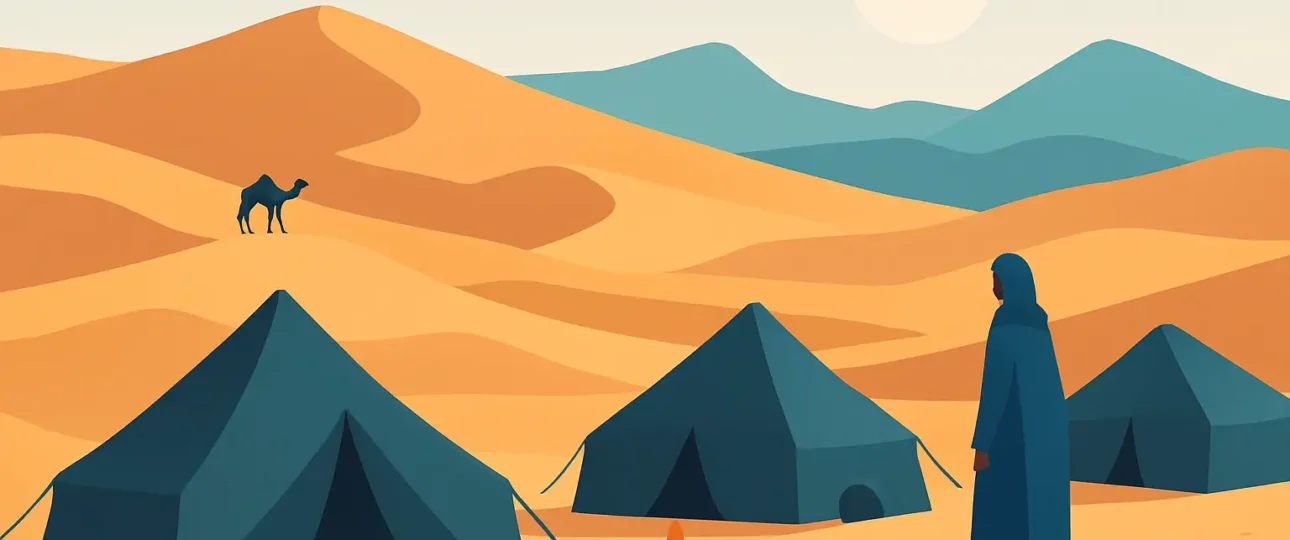
Comfort depends on the camp style and the season. Some nights are in a simple fixed camp with private tents and basic facilities, and some nights are “wild camping” with a mobile setup. Either way, the goal is the same: secure sleep, hot food, and a calm rhythm that makes the desert feel accessible.
A well-run camp experience includes a clear campsite choice (not exposed to wind corridors when possible), proper bedding, a dedicated cooking area, and a team that manages the small things you should not have to troubleshoot in the dark – water, lighting, meal timing, and a plan if weather changes.
Choosing the right camp style: fixed camp vs wild camp
The best option depends on what you want the night to feel like.
A fixed desert camp is usually the right match for travelers who prioritize predictable comfort. Expect real tents, mattresses or camp beds, blankets, and a more consistent setup for dining and bathrooms. The atmosphere still feels remote, but logistics are simplified.
Wild camping is for travelers who want maximum solitude and the most cinematic night sky. Your team drives to a scenic dune field, sets up camp, cooks dinner, and breaks everything down in the morning. It can feel more intimate and more adventurous, but it also comes with trade-offs: wind can be more noticeable, facilities are simpler, and you will want to be more intentional about layers and dust protection.
If you are traveling for photography or filming, wild camping often gives you cleaner horizons and fewer light sources at night. If you are traveling to relax and sleep deeply, a fixed camp can be the better call.
A typical evening at camp (and why timing matters)
Most camps work best when you arrive with enough daylight to settle in. There is usually time to walk a dune ridge, take photos as the shadows stretch, and return before the temperature drops.
Dinner tends to be the heart of the night. You can expect a hot, filling meal rather than a snack-by-headlamp situation. The details vary by route and supplier, but the structure is consistent: tea, dinner, and then a long, unhurried stretch of conversation or quiet under the stars.
After dinner, many travelers are surprised by how quickly the desert cools. Even in warmer months, nights can feel sharp once the wind picks up. This is one reason guided desert camps feel safer and easier than trying to DIY the same night – someone is thinking ahead about blankets, wind direction, and keeping the camp area organized.
Sleeping under the stars vs sleeping in a tent
Some people arrive convinced they will sleep outside, and others assume they will not. In reality, it often depends on the night.
Sleeping under the stars can be extraordinary in the Sahara, especially when the air is still and the sky is clear. But it is not always the best choice. Wind-blown sand, unexpected chill, and early-morning light can make a tent more comfortable even if you love the idea of open-air sleep.
A good approach is to keep the option open. Set up your bedding so you can move inside if needed. Travelers who do this tend to sleep better and still get the star experience.
Safety and security: what travelers worry about, and what actually helps
Most concerns are practical: “Are we camping somewhere secure?” “What if there is a problem overnight?” “How isolated is this?”
The biggest difference between a memorable camp and a stressful one is site selection and local oversight. Camps should be chosen with local knowledge – not only for beauty, but for wind protection, driving access, and distance from busy corridors. Your team should also have reliable communications and a clear plan for the next day’s route.
There is also the human side of safety: you want a calm, professional guide and crew who set expectations, keep routines simple, and make it easy to ask for what you need. When those pieces are in place, desert camping stops feeling like a leap of faith and starts feeling like what it should be: a highlight.
Weather, sand, and the honest truth about comfort
The Sahara is generous, but it is not controlled.
Wind is the main variable. A breezy night can be pleasant; a strong wind can push sand into zippers and make open-air sleep less fun. This is why it “depends” when people ask for the best month. Cooler season nights are often ideal for hiking and comfort, but they require better layers after sunset. Warmer season nights can feel easier for sleeping lightly dressed, but the daytime heat affects pacing.
Sand is part of the deal, but it does not have to be annoying. A simple scarf or buff, closed bags, and not leaving gear open on the ground makes a big difference. If you wear contact lenses, bring backup glasses for camp time.
Food and water: what’s realistic in a remote camp
You should expect meals that are hearty and thoughtfully prepared, not elaborate. The win is warmth, freshness, and enough quantity after a long driving day.
If you have dietary needs, planning matters. In remote areas, last-minute substitutions can be limited. When your operator knows in advance, it is much easier to organize appropriate ingredients and keep meals satisfying.
Water is equally straightforward. You will have drinking water provided, and there may be limited water for washing depending on the camp style and the route. Many travelers bring a small pack of wet wipes for comfort, especially if they are doing multiple desert nights.
What to pack for a desert camp night (without overpacking)
You do not need specialty expedition gear for most guided desert camps, but you do need the right basics. Focus on warmth at night, sun protection during the day, and keeping your electronics and lungs happy in dry air.
Bring layers you can stack. A warm mid-layer and a windproof outer layer matter more than a bulky coat. A headlamp is genuinely useful, not just “nice to have,” and a small power bank helps if you are shooting photos or video.
For footwear, closed shoes are more versatile than sandals around camp, especially if the ground cools quickly or the sand is uneven. If you are prone to cold feet, thicker socks can change your whole night.
Where desert camping fits best in a Mauritania itinerary
A desert camp night is often paired with the Adrar region, where the landscapes shift quickly between dunes, rocky plateaus, and historic caravan towns. Many travelers combine camping with time in Chinguetti or Ouadane for a balance of natural scale and cultural depth.
If you are planning the Iron Ore Train journey, desert camping can be a smart contrast. The train is raw and intense; a well-managed camp night afterward can feel like a reset – a shower of starlight, a hot meal, and a slower pace.
For photographers, consider how many nights you want. One desert night is powerful, but two nights lets you relax into the rhythm and shoot at both sunset and sunrise without feeling rushed.
How guided logistics change the entire experience
Mauritania is the kind of destination where the “in-between” time matters: fuel stops, permits when needed, route choices, and knowing which tracks are safe after weather. A desert camp is only as good as the day around it.
This is where a structured tour approach pays off. When transport, campsite selection, meals, and timing are handled by a local team, you get to focus on the parts that cannot be outsourced – walking the dune ridge at dusk, listening to the kettle, noticing how bright the Milky Way is when there is nothing competing with it.
If you want that kind of end-to-end support with clear pricing and secure, welcoming camp standards, we run multi-day itineraries that include desert camping as a core highlight at https://Toursinmauritania.com.
Setting expectations so you love the night you get
The desert rewards flexibility. Some nights are perfectly still; some nights are windy. Sometimes you will feel like talking late into the evening, and sometimes you will crawl into bed early because the day was long.
The travelers who enjoy it most are the ones who plan for comfort but leave room for the Sahara to be the Sahara. Pack the layers, protect your camera and your eyes from dust, and let your guide choose a campsite that balances beauty with shelter. Then give yourself permission to do very little for a few hours.
A helpful way to think about it is this: you are not going to the desert to be entertained. You are going to be recalibrated by it – and the best camp night is the one where you stop trying to capture every moment and simply stay outside long enough for the stars to feel normal.