Iron Ore Train Tour Review: Worth the Night?
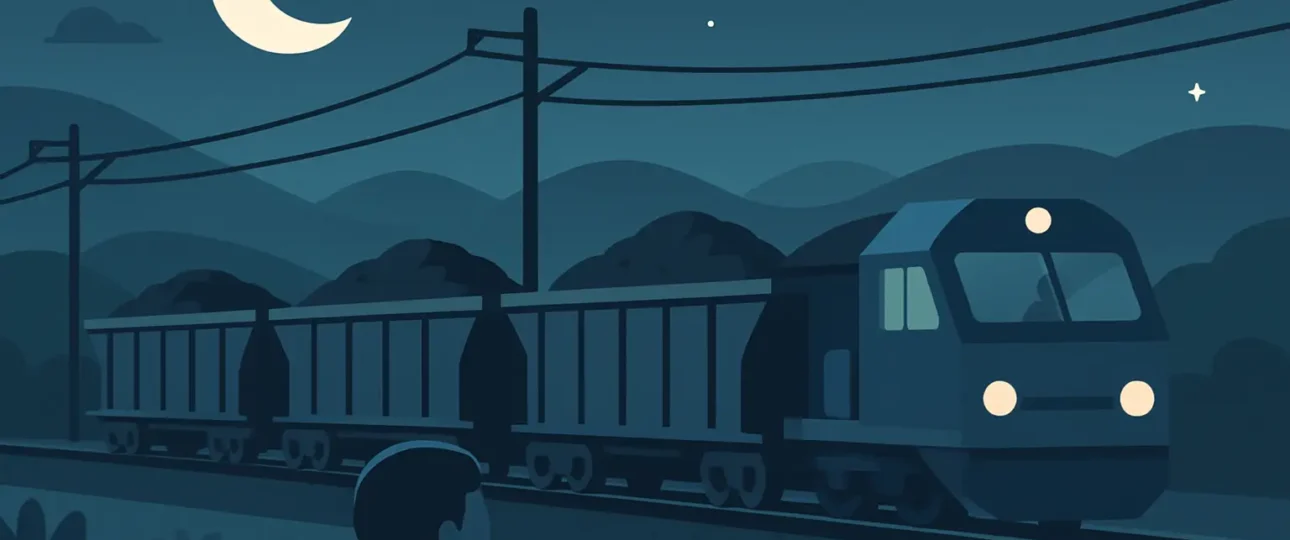
You’re standing in the dark with sand under your shoes, a headlamp beam cutting through dust, and then you hear it – a deep metallic rumble that doesn’t sound like any passenger train you’ve taken before. When the Iron Ore Train arrives, it feels less like transportation and more like a moving piece of Mauritania’s working life.
This iron ore train tour review is written for travelers who want the real experience but also want to know what they’re signing up for: comfort level, safety, what you actually see, and whether it’s worth building your itinerary around.
What the Iron Ore Train is – and why people ride it
Mauritania’s Iron Ore Train is a freight line run to move iron ore from the mining area in the north to the coast. It’s famously long, famously heavy, and famously dusty. The reason travelers chase it is simple: it’s one of the most iconic overland experiences in the Sahara, and it still operates as a working industrial route, not as a tourist attraction built for photos.
That authenticity is the main draw, and it’s also the main trade-off. You are entering an environment designed for cargo first. If you come expecting polished service, you’ll be disappointed. If you come wanting an adventure that feels earned, it delivers.
Iron ore train tour review: what the ride actually feels like
Most travelers ride in an open ore car. That means you’re essentially sitting on the edge or down inside a metal wagon filled with ore dust and grit. As the train moves, the wind intensifies and the dust finds every gap in your clothing and every seam of your bag.
The physical sensation is a mix of exhilaration and endurance. There are long stretches where the landscape is quiet and hypnotic – flat desert, distant rock formations, stars that feel close enough to touch. Then there are moments of rattling intensity when the train hits uneven track and the car vibrates so hard you brace without thinking.
Noise is constant. Conversation happens in bursts, and you’ll be glad you brought a face covering so you can breathe comfortably. Temperature depends on season and time of night. Even when the day is hot, the desert night can turn cold fast, especially with wind.
If you’re the type who enjoys discomfort when it comes with a story you’ll tell for years, this can be a highlight of Mauritania. If you’re someone who struggles with dust, cold, or rough conditions, it can feel punishing.
The route, timing, and what you’ll see
The classic ride is a long overnight stretch. You’re not doing this for scenic variety in the way you would a mountain rail journey. You’re doing it for scale, isolation, and the feeling of crossing an enormous landscape with minimal barriers between you and the desert.
Expect hours of darkness. That’s not a downside – it’s part of the magic. You’ll see the Milky Way clearly in good conditions, and the sense of distance is powerful when there are no city lights. At dawn, the desert reveals itself in layers: sand, stone, and soft color changes that photographers love.
The “what time does it depart” question is where reality matters. Freight schedules can shift. The train can be early, late, or delayed, and the departure point can feel chaotic if you’re trying to do it without local coordination. That unpredictability is manageable when you have time flexibility, and stressful when you’re trying to catch a flight the next day.
Comfort and safety – honest expectations
Let’s be direct: this is not comfortable in the conventional sense. You’ll be sitting on metal. You’ll be exposed to wind. You’ll be covered in dust. You will not sleep like you do in a guesthouse.
Safety is also real, but it’s not “dangerous” by default. It depends on behavior and preparation. People get into trouble when they underestimate the cold, fail to secure their gear, or move around the cars carelessly in the dark.
If you’re considering this ride, the best safety mindset is simple: treat it like an expedition night, not a novelty.
Common concerns we hear from travelers
“Is it safe for solo travelers?” It can be, but it depends on your experience level and your comfort handling logistics. The ride itself is the easy part. Getting to the right place, timing it well, and having a plan for arrival matter more.
“Can I ride in a passenger car instead?” Sometimes yes, and it’s dramatically easier on the body and lungs. You’ll still have the story and the landscape, just with less dust and more structure. The trade-off is you lose the open-car intensity that people associate with the classic experience.
“Is it safe for cameras and drones?” Equipment is fine if it’s protected from dust and secured. Dust is the bigger enemy than theft. Bring protective covers, keep lenses sealed, and avoid changing lenses in the open.
What to pack (and what people regret not packing)
Packing for this is less about “travel essentials” and more about protecting yourself from wind, dust, and cold.
Bring a proper scarf or face covering, and consider clear protective glasses if your eyes get irritated easily. A headlamp is more useful than a phone flashlight because you’ll want hands-free light when settling in. Gloves help, because metal gets cold and gripping the edge of a car for hours can wear your hands down.
For warmth, layers beat a single bulky jacket. You want to adjust as the night changes. A sleeping bag or compact warm blanket can make the difference between a hard night and an enjoyable one.
The most common regret is underestimating dust management. Pack your electronics in sealed bags. Keep water accessible. Plan snacks that don’t turn into sandpaper after an hour.
Who this tour is best for (and who should skip it)
This experience is best for travelers who like active, physical travel and who don’t mind being uncomfortable for a payoff. It’s also excellent for photographers and filmmakers who want something visually distinctive and culturally rooted in real infrastructure.
You should think twice if you have respiratory issues, if you’re sensitive to cold, or if you need predictable timing. It’s also not ideal if your Mauritania trip is short and every day is tightly scheduled. The train works on its own rhythm, and the desert doesn’t apologize for it.
If you’re traveling as a couple or in a small group, it’s often more enjoyable because you can share gear, keep an eye on each other, and settle into the night with a bit more confidence.
Guided vs DIY: the difference is mostly logistics
The biggest misconception is that the train ride itself is the hard part. For most travelers, the difficult pieces are the bookends: getting to the departure point, timing the train, understanding where to board, and having a plan for after you get off.
DIY can work if you have time, flexibility, and a high tolerance for uncertainty. The payoff is independence and a slightly lower cost. The downside is that one small misread – a schedule shift, a wrong boarding area, or an arrival with no transport – can turn into a long, exhausting problem.
A guided approach is less about hand-holding and more about removing failure points. When a local team organizes transport, coordinates timing, and plans secure places to rest before and after, you get to focus on the experience instead of troubleshooting in the desert.
If you want that level of support as part of a wider itinerary (guesthouses, permits, transfers, and on-the-ground coordination), we offer the Iron Ore Train journey as part of structured trips at Tours in Mauritania.
The moments that make it worth it
There’s a point in the night when everyone gets quiet. The train keeps its steady pull, the wind settles into a constant rush, and the sky becomes the main event. You look out and realize how rare it is to travel through a place that still feels this open.
At sunrise, the ore dust turns the light a little softer, and the desert becomes a wide stage. People share tea, adjust scarves, check cameras, and laugh at how filthy they’ve gotten. It’s not glamorous, but it’s real – and that’s exactly why it stays with you.
Practical tips that improve the experience
If you want one simple strategy, it’s this: choose comfort where it doesn’t dilute the adventure. Eat a solid meal before boarding, keep your water and headlamp where you can reach them without digging, and secure every strap and loose item before the train starts moving.
If you can choose your season, cooler months are usually more pleasant, but don’t assume “cool” means “not cold.” Wind chill is the deciding factor. And if your schedule is tight, build in buffer time on both ends so the train’s unpredictability doesn’t derail the rest of your trip.
The best mindset is respectful curiosity. You’re traveling alongside Mauritania’s working economy, across an immense landscape. When you accept the dust, the noise, and the waiting as part of the story, the ride stops being something to “get through” and becomes something you’re truly inside.
One helpful closing thought: plan the Iron Ore Train like you’d plan a desert crossing – not because it’s scary, but because the people who enjoy it most are the ones who arrive prepared, present, and unhurried.