
Atar Travel Guide: Plan Your Adrar Journey
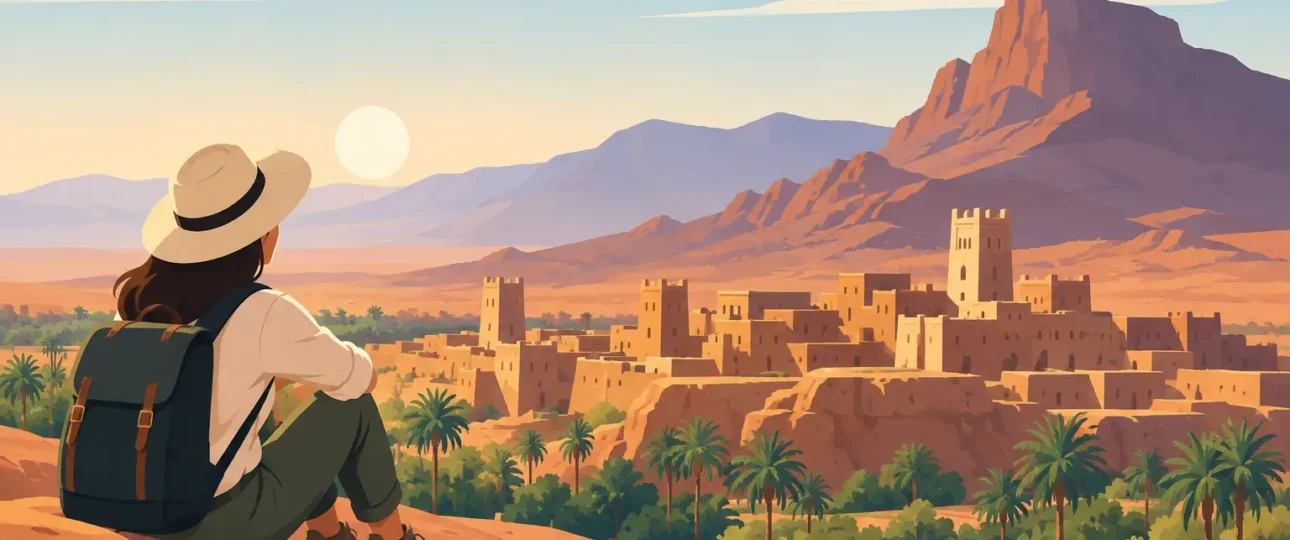
Atar is where Mauritania’s desert journey becomes real: palm groves appear below rocky escarpments, old caravan routes lead toward silent dunes, and the road can change from pavement to sand without much warning. This Atar travel guide is for travelers who want the drama of the Adrar region without leaving the essential details – transport, stays, permits, timing, and desert safety – to chance.
Atar is not a place to rush through. It is the most practical base for reaching Chinguetti, Ouadane, the Richat Structure, Terjit Oasis, and remote Sahara camps. With the right local planning, it is also a comfortable place to begin a journey into one of North Africa’s most memorable landscapes.
Why Atar Belongs on a Mauritania Itinerary
Atar sits in the Adrar Plateau in north-central Mauritania. Historically, it served the caravan routes linking Saharan communities and markets. Today, it is a working regional town with the fuel, supplies, accommodations, and local connections that make travel farther into the desert possible.
Its appeal is not polished resort tourism. The reward is proximity to places that still feel remote and deeply rooted in their surroundings. From Atar, travelers can visit manuscript libraries in Chinguetti, walk the weathered streets of Ouadane, camp beneath clear desert skies, or photograph layered sandstone formations and broad dune fields.
For photographers and filmmakers, the Adrar offers exceptional light and scale. But conditions are demanding. Wind, sand, heat, long driving distances, and limited services outside town all affect what can be achieved in a day. A realistic itinerary leaves room for the road, changing weather, and the slower rhythm of desert travel.
Getting to Atar and Moving Around
Most international visitors arrive in Mauritania through Nouakchott. From there, Atar can be reached by domestic flight when schedules operate, or by road. The overland drive is substantial and should be planned as part of the experience rather than treated as a transfer to squeeze between activities.
Atar also has an airport, though flight availability can vary by season and carrier schedule. Confirming current connections before finalizing an itinerary is essential. If you fly, arrange airport collection in advance. If you travel by road, use a maintained vehicle, a capable driver, and enough water and fuel for the route.
Inside Atar, short distances can be handled by local taxi or arranged transport. Outside town, a 4×4 is the practical choice. The routes toward Chinguetti, Ouadane, Terjit, and desert camps may involve rough tracks, sand, or terrain that requires local knowledge. Renting a vehicle can suit experienced independent travelers, but self-driving is rarely the easiest option in the Adrar. Navigation is only one part of the challenge; knowing where to refuel, when a track is passable, and how to respond to a mechanical issue matters just as much.
The Best Places to See From Atar
Chinguetti: Libraries, Stone Streets, and Dunes
Around two hours from Atar, depending on the route and conditions, Chinguetti is one of Mauritania’s most evocative historic towns. Once an important stop on trans-Saharan trade and pilgrimage routes, its old quarter contains narrow lanes, dry-stone buildings, and family-held manuscript collections.
Visits should be respectful and unhurried. The manuscripts are precious cultural objects, not a backdrop for rushed photography. A local guide can help arrange appropriate introductions and explain the town’s history with the context it deserves. Chinguetti is also where many travelers first see dunes pressing directly against an inhabited town – a striking reminder that the Sahara is always moving.
Ouadane and the Richat Structure
Ouadane lies farther east and rewards travelers who have time for a longer Adrar circuit. Its old settlement rises from a rocky slope, with ruined homes, mosques, and defensive structures reflecting centuries of trade across the desert.
From this area, it may be possible to visit viewpoints near the Richat Structure, often called the Eye of the Sahara. It is vast, geological, and difficult to appreciate from ground level in the way satellite images suggest. The real value of a visit is the journey across the plateau and the sense of scale. Travelers expecting a neat circular landmark at their feet may be disappointed; those interested in geology, landscapes, and remote travel usually find the route worthwhile.
Terjit Oasis and Desert Camps
Terjit Oasis provides a sharp contrast to the open desert. Date palms, shaded passages, and natural water make it a welcome stop, especially after time on the road. It can be visited on a day trip, but it works best when included in a broader route that gives you time to slow down.
A night in a desert camp is another Adrar essential. The experience can be simple, but simple should not mean poorly organized. A well-run camp provides a clean sleeping setup, prepared meals, drinking water, and a reliable plan for the evening and morning. In cooler months, sleeping under the stars can be extraordinary. During windy periods, a tented option and warm layers are more practical.
When to Go to Atar
The most comfortable period for Atar travel is generally from October through March. Daytime temperatures are more manageable, evenings can be cool, and desert exploration is far more pleasant than in peak summer heat. December and January nights can feel surprisingly cold, especially in an exposed camp, so bring layers rather than relying on daytime temperatures.
April and May can still work for travelers prepared for increasing heat. Summer is for those with a specific reason to travel then, a flexible schedule, and a serious approach to hydration and heat management. In remote terrain, high temperatures quickly turn minor delays into real risks.
Weather also affects visibility. Wind can bring sand and haze, reducing photographic clarity and making travel less comfortable. No operator can control this, but a thoughtful itinerary can avoid overloading every day with fixed expectations.
Practical Advice for a Smooth Atar Stay
Pack for sun, sand, and temperature changes. Lightweight long sleeves, a scarf or buff, sunglasses, sunscreen, closed shoes, and a refillable water bottle are useful every day. Add a fleece or insulated layer for camp nights from late fall through early spring. Camera equipment needs protection from dust, and spare batteries are wise because cold nights and long shooting days drain power.
Cash remains useful in Atar and is essential beyond it. Services are more limited than in Nouakchott, and card acceptance should never be assumed. Buy snacks and personal supplies before leaving town, but avoid carrying excessive disposable packaging into the desert.
Mobile coverage can be inconsistent once you leave populated areas. Tell someone your plan, keep devices charged, and do not treat a phone signal as a safety system. A guided trip provides a more reliable structure: transport is coordinated, accommodations are confirmed, local contacts are available, and the route can be adjusted if conditions change.
Mauritania’s culture is warm and welcoming, and modest dress is appreciated, particularly in smaller towns and villages. Ask before photographing people, homes, religious spaces, or manuscripts. A few words of greeting in Arabic or French go a long way, but clear communication and respectful behavior matter more than perfect language skills.
Choosing a Guided Route From Atar
A guided itinerary is especially valuable if you have limited time, are new to desert travel, or want to combine several places without managing logistics day by day. The best routes balance historic towns, scenic driving, and time outdoors. They also account for practical realities: fuel stops, road conditions, meal timing, suitable accommodations, and the pace required to travel safely.
Ask what is included before booking. Clear pricing should cover the vehicle, driver-guide, accommodations, meals where stated, entry arrangements, and desert camping equipment. Confirm whether airport transfers, permits, bottled water, and luggage support are included as well. The cheapest quote is not always the best value if essential logistics appear later as additions.
Tours in Mauritania can organize the transport, stays, permits, and local support that make an Adrar journey feel adventurous rather than uncertain. That matters most when your route moves beyond Atar’s town limits, where good preparation is part of the experience.
Leave Atar with more than photographs. Make room for a late cup of tea, a conversation with your guide, and the quiet after sunset when the desert finally loses its heat. Those are often the moments that stay with you longest.