
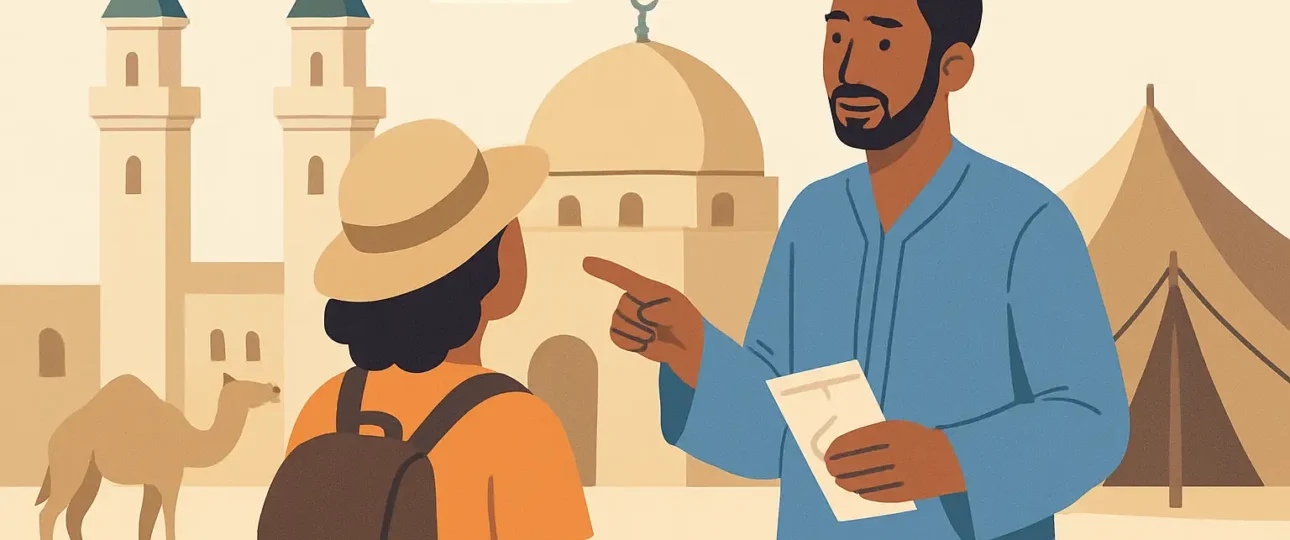
Nouakchott in a Day: A Local Tour Guide Plan
Nouakchott rarely tries to impress you in the first five minutes. It wins slower – in the steam rising off sweet mint tea, in the rhythm of the fish market at dawn, and in the way Sahara light turns a simple street corner into a photograph.
If you are landing in Mauritania and want a grounded first look that feels both real and comfortable, this Nouakchott city tour guide is built for exactly that. It is not a checklist of monuments. It is a plan you can actually run – with timing, trade-offs, and the small decisions that make the day easier.
Why a Nouakchott city tour guide matters here
Nouakchott is straightforward once you understand how it moves. Distances are longer than they look on a map, street signage is inconsistent, and the best moments happen at specific hours. A good guide earns their value less by narration and more by orchestration – choosing safe routes, handling introductions, and knowing when a “quick stop” will turn into an hour.
It also depends on your travel style. Confident independent travelers can absolutely explore parts of the city on their own, especially in daylight. But if you have limited time, are arriving after dark, are carrying camera gear, or simply want a low-friction day with clear context, guided support changes the experience from “figuring it out” to “being present.”
The best time to tour Nouakchott
For most travelers, the ideal structure is early morning plus late afternoon. Midday heat can be intense, and the city feels flatter when everyone retreats indoors.
If you can only choose one window, choose morning. The port and fish market are at their most alive, the light is cleaner for photos, and you will finish your most sensory stop before the sun peaks.
Late afternoon is when Nouakchott softens. The pace slows, shadows lengthen, and it becomes easier to enjoy a drive-through orientation, shopping stops, or a tea break without rushing.
A practical one-day Nouakchott plan (with real timing)
This is the version we recommend for first-time visitors who want culture, photography, and a calm flow.
6:30-8:30 AM: The Port de Pêche and fish market
Start at the fishing port. This is not polished tourism – it is working Nouakchott. You will see wooden pirogues coming in, crews hauling nets, buyers moving fast, and a constant choreography between sea and sand.
A few comfort notes matter here. Wear closed-toe shoes you do not mind getting dirty. Keep a respectful distance from active hauling areas, and be mindful with cameras – asking before close portraits goes a long way. If you are sensitive to smell, this is the one place in the city where it can be overwhelming, especially as the morning warms.
The payoff is enormous: it is one of West Africa’s most photogenic working waterfronts, and it gives you context for the country’s daily economy in a way no museum can.
9:00-10:00 AM: A city orientation drive
After the market, use the cool hours for a guided orientation loop. This is where a local driver-guide helps most: you can take in the city’s layout without worrying about navigation, and you get quick cultural framing – how neighborhoods differ, what is considered central, and which areas are best avoided at certain times.
Nouakchott’s highlights are subtle. You are looking for texture: street life, architecture, color, and the contrast between sand, concrete, and sea air.
10:15-11:15 AM: The National Museum (when it is the right fit)
If you like history, the National Museum is a useful stop. It is not a sprawling institution, but it offers a primer on Mauritania’s cultural layers – Saharan caravan routes, desert communities, and the wider Sahel context.
This is a good “it depends” stop. If you are traveling primarily for landscapes and the desert, you may prefer to swap the museum for extra market time or an artisan visit. If you are heading to Chinguetti or Ouadane later in your itinerary, the museum helps you connect the dots early.
11:30 AM-1:30 PM: Lunch and a reset
Nouakchott rewards pacing. Plan a real break during the hottest hours. Choose a clean, calm restaurant where you can hydrate and cool down, and keep the afternoon flexible.
If you are new to Mauritania, this is also a good moment to check practical items: cash on hand, SIM or connectivity, and the next day’s departure time if you are continuing into the Adrar or toward the Iron Ore Train.
2:00-3:30 PM: Markets and crafts (shopping with context)
A market stop is more enjoyable when you are not guessing what you are looking at. A guide can help you distinguish daily goods from artisan work, understand customary pricing, and avoid the classic tourist mistake of buying the first thing you see.
If you are shopping for gifts, focus on items that travel well and have a clear story. Textiles, simple metalwork, and small craft pieces are easier to pack than bulky decor.
Be selective with photos in crowded stalls. Some vendors welcome it, others do not, and the best tone is always courteous and calm.
4:30-6:00 PM: Sunset by the ocean (the gentle finish)
End the day with open sky. Nouakchott’s Atlantic edge is where the city breathes. Sunset timing changes by season, so build in a little buffer, and aim to arrive early enough to settle in and watch the light shift.
This is also a great time for travelers who want portraits or cinematic footage – the wind can be strong, but the light is forgiving and the atmosphere is unmistakably coastal-Saharan.
Two-day options: when you should slow down
If you have a full extra day in Nouakchott, you can make the experience more comfortable and much more personal.
One strong option is to split “sensory intensity” across days: do the fish market one morning, and save markets and shopping for the next day. Another option is to add a half-day outside the city for dunes and wide-open space, especially if you are not heading inland on a longer itinerary.
Travelers arriving late at night often benefit from a soft first morning: a later start, a city orientation, then the port the following day at sunrise. The experience is better when you are rested.
Cultural and practical tips that keep the day smooth
A few small choices make a big difference in Nouakchott.
Dress modestly and lightly. Breathable long sleeves and pants are practical for sun, wind, and cultural comfort. Women travelers generally find the experience easiest with shoulders and knees covered, especially in markets and non-tourist areas.
Plan for cash. Cards are not universally accepted, and ATMs can be inconsistent. Your guide can help you choose the right moment to stop at an ATM rather than turning it into a frustrating errand.
Expect flexible timing. If a road is busy, if a market is livelier than expected, or if a call to prayer shifts the rhythm, the best tours adjust rather than fight the city.
Photography is welcome, but etiquette matters. Ask before close portraits, be careful around uniformed personnel, and keep your gear management simple – one camera, one lens, and a secure bag often beats carrying everything.
Safety and comfort: what to look for in a guide
A Nouakchott city tour guide should not just “know places.” They should reduce uncertainty.
Look for clear communication before pickup, a vehicle that is clean and air-conditioned when possible, and a plan that matches your energy and interests. If you are traveling with family, a good guide will naturally adjust stops and pacing. If you are filming, they should understand how to create time and space for shots without drawing unnecessary attention.
It is also fair to ask how the day is structured. The best operators are transparent about what is included, what is optional, and how costs are handled so you do not feel nickel-and-dimed on the ground.
If you would like that kind of organized, in-country support – including pickups, transport, and a paced city day that fits into multi-day itineraries across Mauritania – you can coordinate a Nouakchott experience through Tours in Mauritania.
When Nouakchott is the start, not the main event
For many travelers, Nouakchott is the gateway rather than the headline. That is not a drawback. A well-run day here sets up the rest of the country.
If you are continuing to the Adrar, your city day is a chance to settle in before long drives. If the Iron Ore Train is on your list, Nouakchott is where smart prep happens: timing, gear checks, and realistic expectations. And if your trip is culture-forward, the city is where you begin to hear the mix of languages, histories, and influences that make Mauritania distinct.
Leave room for one unplanned stop – a tea invitation, a craft workshop you did not expect, a viewpoint you want to revisit at better light. Nouakchott is not a city you “complete.” It is a city you meet, and meeting it with patience tends to bring the best moments back to you.