Is Mauritania’s Iron Ore Train Safe?
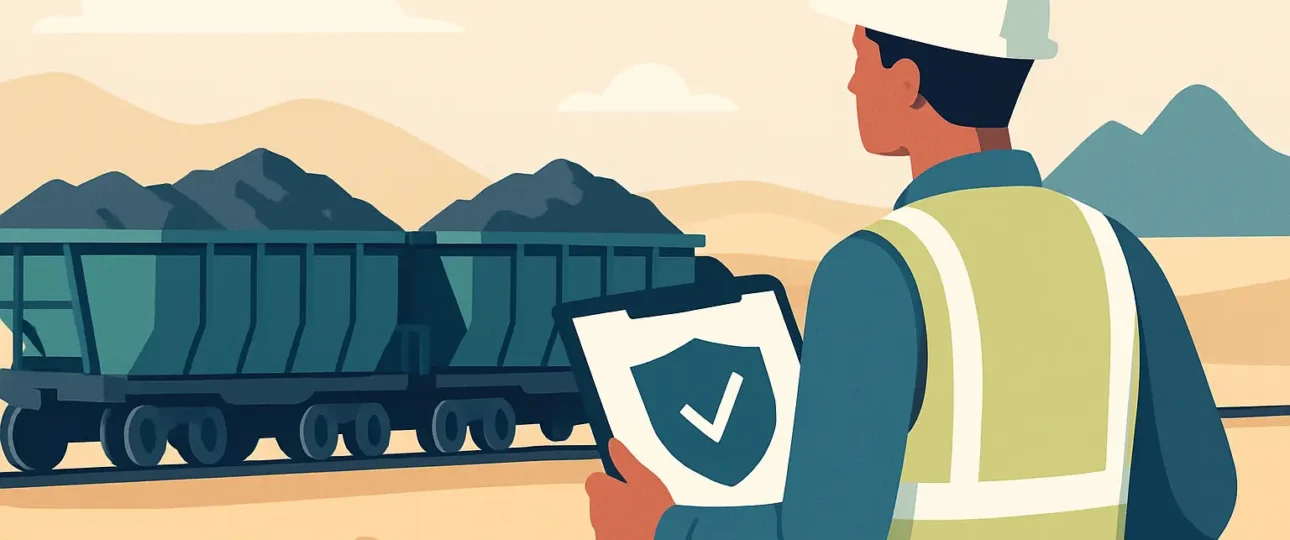
The first time you see Mauritania’s Iron Ore Train roll in, it doesn’t look like a “tourist activity.” It looks like infrastructure—serious, loud, and endless. The cars are open-topped, the iron ore is piled high, and the train seems to stretch past the horizon. That contrast is exactly why travelers ask the same practical question before they say yes: is the iron ore train safe?
The honest answer is: it can be safe enough for many travelers, but it’s not automatically safe, and it’s not safe in the same way a passenger train is safe. This is an industrial freight train operating in a remote environment. Your safety depends on where you ride, when you ride, how you prepare, and whether you have local support.
Is the iron ore train safe for travelers?
Safety on the Iron Ore Train isn’t one simple “yes” or “no.” Think of it as a mix of controllable risks (gear, positioning, timing, hydration, eye protection) and situational risks (weather, crowding, station dynamics, security conditions, mechanical delays).
Most travelers who plan properly and ride with situational awareness complete the journey without incident—and many call it the highlight of Mauritania. But the ride demands respect. You’re exposed to wind, dust, vibration, cold at night, and sun during the day. You’re also in an open environment where minor mistakes—like sitting in the wrong place or failing to secure your bag—can turn into a real problem.
What “safe” really means on a freight train
If you’re imagining safety as guardrails, assigned seats, conductors checking tickets, and predictable schedules, reset that expectation. This is a working train moving ore from the mines to the coast. That said, there are practical safety norms that experienced local guides and seasoned travelers follow.
“Safe” here means: you can reduce risk to a reasonable level by choosing the right setup (often the passenger car), riding at an appropriate time of day, protecting yourself from dust and temperature swings, and avoiding unnecessary exposure at stations.
The main risks—and what causes them
Falls and injuries from boarding, jumping, or bad positioning
A large share of preventable incidents come from how people get on and off. The train is tall, the ladder points aren’t always obvious, and the ground can be uneven. Some travelers attempt to hop on quickly when the train is moving slowly, or they climb while carrying a heavy backpack. That’s an avoidable risk.
Once you’re on, positioning matters. Riding near the edge of an open car, standing frequently, or moving between cars can turn a routine vibration into a fall. The train jolts. Ore shifts slightly. Wind gusts push. The safest approach is to choose a stable spot and stay put.
Dust, eye irritation, and breathing discomfort
Iron ore dust and desert sand are part of the experience. In open cars, you’ll get hit with wind-driven grit for hours. For most people it’s more discomfort than danger, but it can become a safety issue if it impacts your vision or breathing—especially at night when visibility is already limited.
A proper dust mask (or scarf combined with a mask), sealed eye protection, and a plan for hydration make a major difference. Contact lens wearers often struggle more; dry air and dust can make lenses miserable.
Temperature exposure: sunburn by day, cold at night
Mauritania’s desert climate is not subtle. You can roast in the afternoon and shiver after midnight. Hypothermia is rare but possible if you’re underdressed and exhausted, and heat stress is a real risk if you underestimate sun and wind.
The key is layering and timing. Many travelers prefer riding overnight to avoid peak heat, but nighttime adds cold and fatigue. Daytime rides are visually stunning for photographers, but you must treat sun protection as non-negotiable.
Dehydration and fatigue
The wind tricks you. You sweat and dry out without realizing it. Add long hours, noise, vibration, and adrenaline, and people forget to drink and eat. Dehydration is one of the most common reasons travelers feel unwell.
Plan water like you’re crossing a desert—because you are. And bring food that you’ll actually eat when you’re tired.
Delays and the reality of remote logistics
Freight schedules can shift. The train can stop for long stretches. That’s not automatically dangerous, but it affects safety decisions: how much water you need, how you manage cold, and how you handle bathroom needs with dignity.
When you’re far from services, “a delay” is more than an inconvenience. It’s why preparation matters more here than on almost any other iconic travel experience.
Passenger car vs. riding on the ore: the safety trade-off
If your top priority is safety and comfort, the passenger car is typically the best choice. It’s enclosed, provides seating, and reduces dust exposure. It also changes the vibe: you’re in a functional local travel setting rather than out in the open with the ore.
Riding on top of the ore is the famous version—the cinematic photos, the open sky, the pure sense of scale. It’s also where most discomfort and risk live: dust, temperature exposure, and the need to secure yourself and your belongings. Many travelers do it safely, but it’s not the right call for everyone.
If you have respiratory sensitivities, significant back or neck issues, or you simply want a more predictable experience, choose the passenger car. If you’re fit, prepared, and comfortable with exposure, the ore cars can be a rewarding choice—especially with guidance on where to sit and how to set up.
When the iron ore train is less safe
There are a few situations where the risk climbs quickly.
Strong winds or sandstorms are the obvious one. Wind amplifies dust, makes it harder to protect your eyes, and increases chill at night. Another is extreme heat periods, when sun and dehydration become the main hazards.
Crowding can also change the feel of the experience. More people means more movement, more bags shifting, and more chaos at boarding points. Finally, if regional conditions change (for example, updated advisories or local security considerations), you should adapt your plan. In remote travel, flexibility is a safety tool.
Practical choices that make the ride safer
Safety here is mostly about small, disciplined decisions.
Start with boarding: avoid rushing, keep both hands free, and don’t climb with a heavy pack on your back. Hand your bag up, then climb. Once on top, choose a spot away from edges and avoid standing unnecessarily.
Dust protection is next. A snug mask and eye protection aren’t “extra”—they’re what keeps you seeing clearly and feeling well enough to make good decisions.
Then treat the temperature seriously. Bring a warm layer for night rides and proper sun coverage for day rides. The desert’s “dry” cold can surprise even experienced travelers.
Finally, manage your essentials like a logistics professional: secure your water, keep valuables on your body, and pack so you can access what you need without unpacking everything in the wind.
What guided support changes (and what it doesn’t)
A guide can’t turn a freight train into a luxury railway. What they can do is remove the most common points of failure.
They can choose the right station and timing, help you board without panic, and place you in a safer spot based on conditions that day. They can also coordinate your pickup on arrival—critical when you step off tired, dusty, and disoriented in a remote location.
Just as importantly, local support reduces the “unknown unknowns.” If the train is delayed, if the plan needs to shift, or if conditions change, you’re not negotiating it alone.
If you want this experience with end-to-end logistics handled—transport, timing, and on-the-ground support—our team at Tours in Mauritania builds the Iron Ore Train into structured itineraries so the adventure stays bold, not chaotic.
Who should think twice before riding on top
Some travelers will have a better trip choosing the passenger car or skipping the train altogether.
If you have asthma that’s triggered by dust, severe anxiety in uncontrolled environments, significant mobility limitations, or conditions worsened by cold and vibration, the ore cars may not be worth it. The experience is iconic, but it’s not a test you need to pass to “do Mauritania right.” There are plenty of signature moments—Sahara camping in the Adrar, caravan towns like Chinguetti, and vast dune crossings—that deliver wonder without the same exposure.
The safest mindset to bring
The Iron Ore Train rewards travelers who stay humble. The desert doesn’t care about bravado, and neither does a moving industrial train.
If you approach it like a serious outdoor objective—dress for it, pack for it, plan your water, protect your eyes and lungs, keep your movements deliberate—you’ll likely find it not only manageable, but deeply memorable. And if you decide the passenger car is the right fit, that’s not “less adventurous.” It’s simply choosing the version of the experience that matches your risk tolerance.
The best travel stories usually come from doing something rare with clear eyes and steady judgment. If you bring that energy to the Iron Ore Train, you’ll step off dusty, tired, and smiling—exactly the way you’re supposed to.