
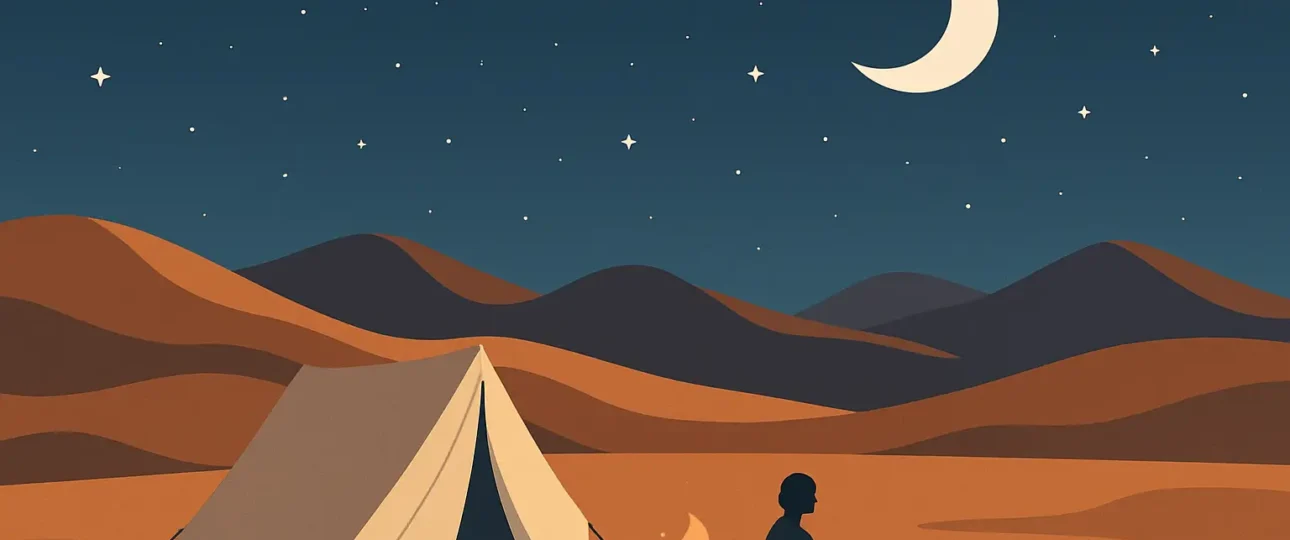
Sleep Under the Stars in Mauritania
You don’t come to Mauritania for background scenery. You come because the desert is the main event—and at night, it gets even better. Far from city glare, the sky turns into a clear, crowded map of light, and the silence feels physical. Sleeping outside isn’t a gimmick here; it’s one of the most honest ways to experience the Sahara and the Adrar.
If you’re planning to sleep under the stars in Mauritania, the best approach is to treat it like a real travel day, not a spontaneous add-on. The magic is real, but so are the practical details: wind, sand, temperature swings, location choice, and the simple question of how you’ll eat, wash up, and feel secure in a place that’s beautifully remote.
Why sleep under the stars in Mauritania feels different
Mauritania’s desert nights have a particular clarity. In the Adrar region—around Atar, Chinguetti, Ouadane, and the dune corridors that connect them—there’s an openness that makes the sky feel closer than it does in most destinations. The air is often dry, the horizon is wide, and the landscape doesn’t compete for attention after sunset. That combination makes stargazing less like “looking up” and more like being inside something.
There’s also a cultural dimension. Caravan routes, oasis towns, and nomadic traditions are woven into the terrain. When you camp near historic places like Chinguetti or near the stone expanses outside Ouadane, you’re not just sleeping outdoors—you’re spending the night in a landscape built around movement, distance, and navigation.
The trade-off is that the same remoteness that makes the night unforgettable also makes it harder to improvise. If you’re traveling independently, you may find that the “simple” parts—reliable water, safe camp placement, and knowing which tracks are passable—take more energy than expected.
The best places to sleep under the stars (and what they’re like)
Mauritania offers a range of star-sleeping settings, and they don’t all feel the same. Your ideal spot depends on what you want to wake up to: dunes, rock plateaus, palm groves, or a town-edge camp that balances comfort with atmosphere.
Erg dunes in the Adrar
Classic Sahara camping usually means dunes. In the Adrar, dune camps give you that cinematic feeling—soft sand underfoot, clean horizons, and the kind of sunrise that changes the color of everything in minutes. Nights here can be still and surprisingly cool.
This is the best choice if you’re coming primarily for the desert itself. The main consideration is wind. A calm night is effortless; a windy one can mean sand in your sleeping bag and a more restless sleep. A well-chosen campsite (tucked behind a dune shoulder) makes a big difference.
Near Chinguetti: history by day, sky by night
Chinguetti is one of Mauritania’s most iconic caravan towns, and it’s an easy place to pair cultural exploration with a desert night. You can spend the afternoon in the old quarter and then camp outside town where the light fades quickly.
This option works well for travelers who want a “structured” day—guesthouse breakfast, guided visits, then a night outside that still feels wild. The balance is comfort versus isolation: camping near Chinguetti feels safe and convenient, but it won’t be as remote as deeper desert camps.
Around Ouadane: stone, space, and big skies
Ouadane sits in a stark, beautiful setting where rock and sand meet. Camping in this region often feels more expansive and quiet than the dune-only experience. The ground can be firmer, which some people prefer for sleeping, and the sky can feel especially sharp.
If you’re a photographer, this is a strong contender: ruins, desert textures, and night skies in one place. The trade-off is that rocky areas can be colder at night and less forgiving if you’re not using a proper sleeping pad.
Oasis edges and palm groves
Camping near an oasis gives you a different kind of night: softer air, occasional sounds of water or animals, and a greener frame around the stars. It can feel gentler than open dunes.
This can also be a smart choice in hotter months because the microclimate may feel slightly less harsh. The downside is that insects can be more present near vegetation, so planning matters.
What “comfortable” desert camping actually means
People often picture “sleep under the stars” as nothing more than a blanket on sand. That can work for a short experience in perfect weather, but most travelers enjoy the night more when comfort is planned, not improvised.
A comfortable camp usually includes a real sleeping setup (mat plus sleeping bag suited to the season), a wind strategy (positioning and sometimes a simple shelter), and a predictable routine for dinner, tea, and the morning. The comfort isn’t about luxury—it’s about removing friction so you can enjoy the quiet.
It also means clean food handling, reliable water, and a clear plan for the basics. Many travelers don’t mind going “off-grid.” They just don’t want uncertainty about where they’ll sleep, whether the site is secure, or how far they are from help if something feels off.
What to pack for sleeping outside in Mauritania
You don’t need to overpack, but desert nights reward the right gear. The key is to prepare for temperature shifts. Even when days are warm, the air can drop quickly after sunset.
Bring a warm layer you can actually sleep in, not just wear at dinner. A lightweight insulating jacket or fleece and long pants are often enough, but in cooler months you’ll want something more substantial. A buff or scarf is useful for wind and sand, and it’s also culturally versatile for village stops.
A headlamp matters more than a phone flashlight. You’ll use it for everything from finding your bag to walking a few steps away from camp. Earplugs can help if your group is large or if there’s wind noise. And while you won’t always need it, a simple eye mask can be surprisingly useful if you camp closer to a town or vehicle lights.
One more nuance: shoes. Sand is forgiving, but rocky ground isn’t. If your itinerary includes Ouadane or plateau camps, closed-toe shoes help at night.
Safety: what travelers worry about, and what actually helps
Most concerns about desert camping fall into three buckets: personal security, navigation/being “too remote,” and health/comfort issues like dehydration or cold.
The strongest safety factor is not bravado—it’s planning. Knowing where you’re camping, why that spot was chosen, and how you’ll move in and out of the area changes the entire experience. In practice, the desert is often calmer than people expect, but it’s not a place to guess your way through.
Travelers also underestimate how much security comes from simple camp organization: keeping a tidy layout, knowing where your water is, having a clear boundary for the evening, and having a guide who reads conditions and adjusts plans early rather than late.
If you want the experience without operational stress, a guided itinerary is the easiest way to get it. A local operator can handle transport, reliable camp logistics, and the small decisions that add up—like where wind tends to funnel, which tracks are passable after a change in weather, and how to time the drive so you set camp before dark.
When to go for the best star-sleeping nights
Season matters more for comfort than for sky quality. The sky can be stunning year-round, but your sleep quality depends on temperature and wind.
Cooler months are generally more comfortable for sleeping outside, especially if you’re doing multi-night desert sections. Nights can still get cold, so the right sleeping bag is important. Warmer months can work if your itinerary is designed around early starts, shade breaks, and camps that prioritize airflow and comfort. In hotter periods, some travelers prefer to mix star-sleeping nights with guesthouse stays to recover.
Wind can happen in any season, and it’s the biggest variable. A windy night isn’t dangerous, but it’s annoying without a good campsite choice and a solid setup.
How star-sleeping fits into a real itinerary
The best desert nights usually happen as part of a route, not as a one-off. You’ll enjoy them more when you’ve had a full day of movement—dune driving, town visits, a hike in a canyon—because the night feels earned.
A common rhythm in the Adrar is to combine cultural stops (Chinguetti libraries, Ouadane ruins, local markets) with stretches of open desert where camping makes the most sense logistically. It keeps the trip varied: history and tea in the afternoon, then wide quiet under the sky.
For many travelers, the iconic pairing is a desert section plus the Iron Ore Train experience. They’re very different nights—one calm and spacious, the other loud and raw—but together they show the range of Mauritania’s adventure travel.
If you’d like that kind of structure with clear pricing and on-the-ground support, Tours in Mauritania builds multi-day itineraries that include desert camps designed to be clean, welcoming, and secure—so you can focus on the experience instead of the logistics.
What you’ll remember in the morning
The moment that stays with most travelers isn’t the perfect photo or even the densest field of stars. It’s waking up and realizing how quiet everything is, then watching the first light slide across dunes or stone. There’s no “activity” required—just tea, a slow pack-up, and the feeling that you slept somewhere the modern world can’t reach.
If you’re choosing whether to do it, choose based on your travel style. If you love comfort and predictability, plan the night properly and you’ll be surprised how easy it feels. If you love raw adventure, you’ll find plenty of it here—but Mauritania rewards the travelers who respect the details.
Leave a little space in your evening for doing nothing at all. The desert is generous with people who don’t rush it.